
 en
en Español
Industrial fabrics are everywhere. Awnings. Tarpaulins. Outdoor furniture. Conveyor belts. Without a strong, weather-resistant yarn, these products crack, fade, and fail. A PVC coated polyester yarn factory produces high-tenacity polyester filament coated with a flexible polyvinyl chloride layer. The yarn resists UV radiation and moisture. It holds its strength through years of outdoor exposure.
Inside the Production Process
It bonds a PVC layer to a polyester core through extrusion coating
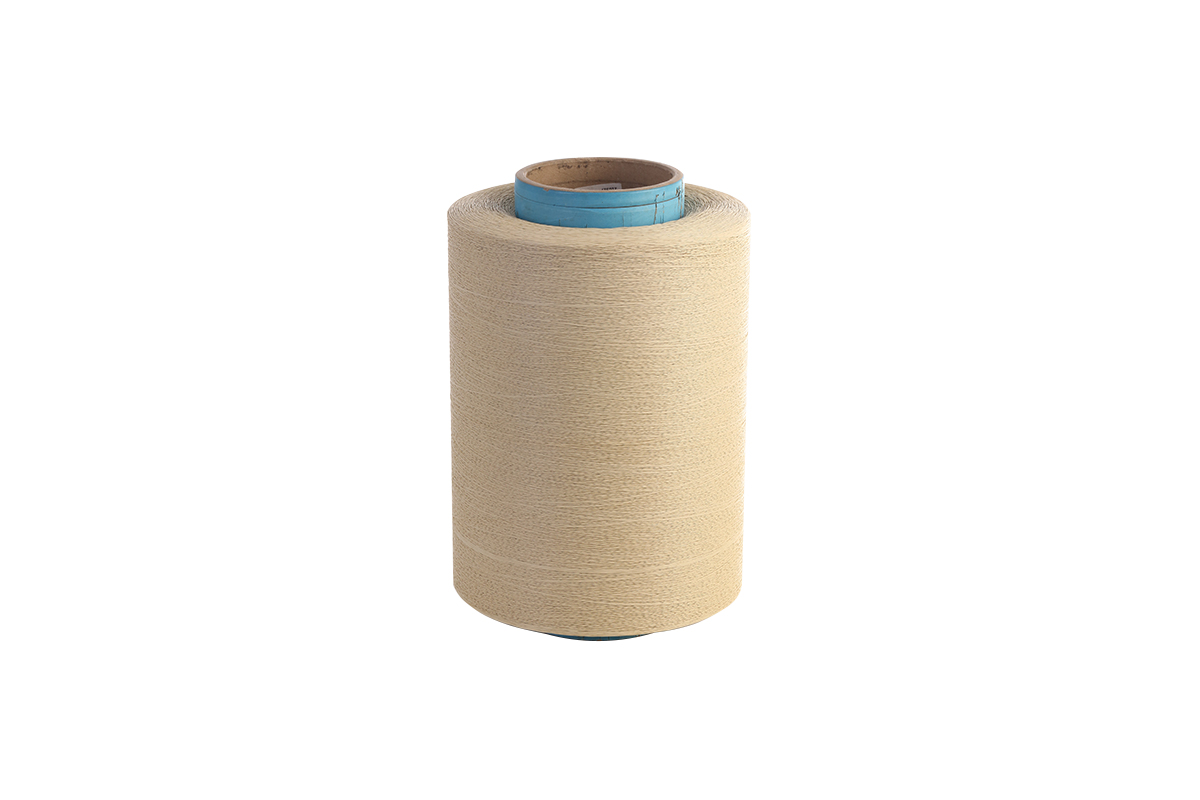
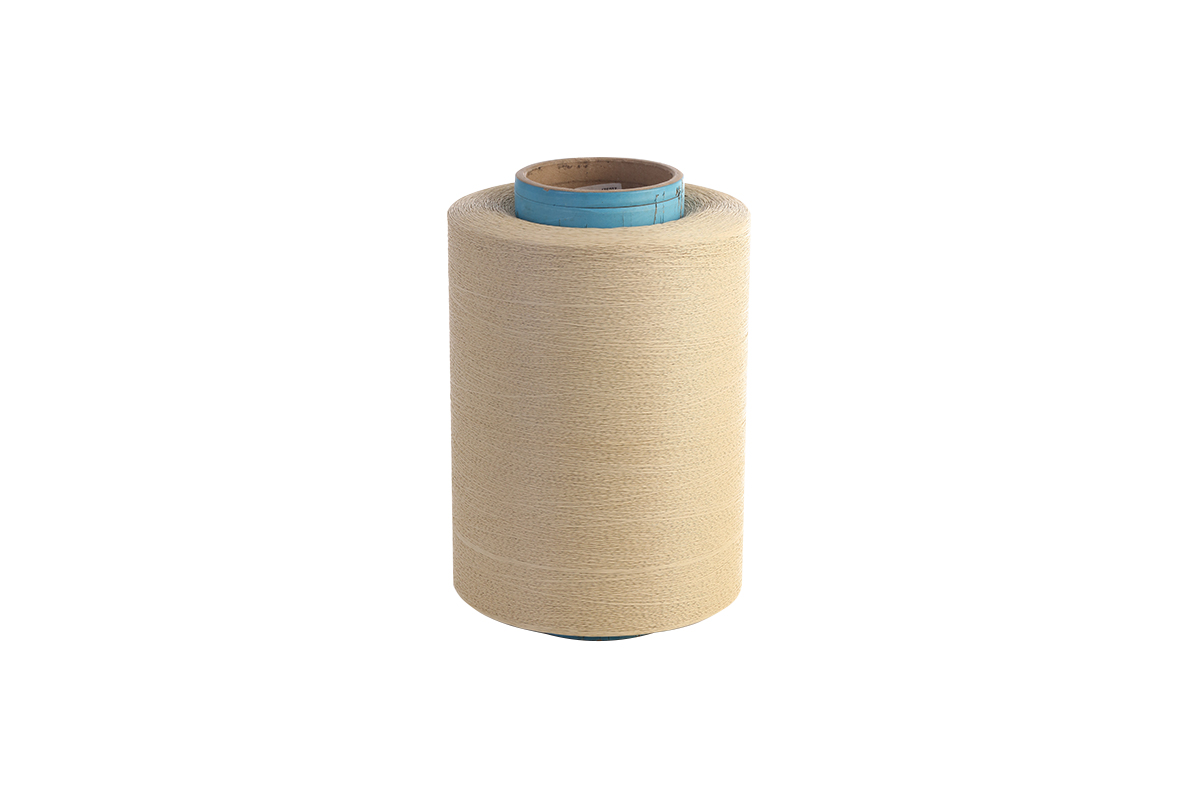
A PVC coated polyester yarn factory starts with high-tenacity polyester filament yarn. The yarn passes through an extrusion coating die where molten PVC compound is applied evenly around the core. The coated yarn then enters a cooling bath or air cooling zone. The PVC solidifies into a uniform, flexible sheath. The yarn is wound onto spools for shipment or further processing.
Core yarn selection
The polyester core provides tensile strength and dimensional stability. Denier, filament count, and tenacity are specified based on the end application. A factory that sources consistent core yarn ensures the coated product performs predictably under load.
Compound formulation
The PVC coating is not a single material. It is a formulation of PVC resin, plasticizers for flexibility, stabilizers for UV and heat resistance, and pigments for color. A PVC coated polyester yarn factory adjusts the compound to meet specific flexibility, colorfastness, and flame-retardant requirements.
Extrusion and cooling
The coating die geometry and line speed determine coating thickness and concentricity. Cooling rate affects the surface finish and the bond strength between PVC and polyester. Precise control at this stage prevents delamination in the finished fabric.
What to Look for in a PVC Coated Polyester Yarn Factory
The yarn must perform long after it leaves the spool
A PVC coated polyester yarn factory ships yarn that fabric manufacturers weave or knit into mesh and fabric. Coating adhesion, UV resistance, and tensile retention matter more than initial appearance. Here is what buyers should check.
Coating adhesion
The PVC sheath must not separate from the polyester core during weaving, stitching, or fabric flexing. Poor adhesion causes delamination in the final product. A PVC coated polyester yarn factory with proper compound formulation and process control prevents this failure.
UV and weather resistance
Outdoor fabrics face constant sun exposure. The PVC compound must contain effective UV stabilizers. A PVC coated polyester yarn factory that tests for accelerated weathering gives buyers confidence in long-term outdoor performance.
Tensile strength and uniformity
Yarn break strength and elongation must be consistent from spool to spool. Variations cause weaving stops and fabric defects. A factory that performs online tension monitoring and offline tensile testing delivers uniform product.
Where PVC Coated Polyester Yarn Gets Used
The applications are more varied than most buyers realize
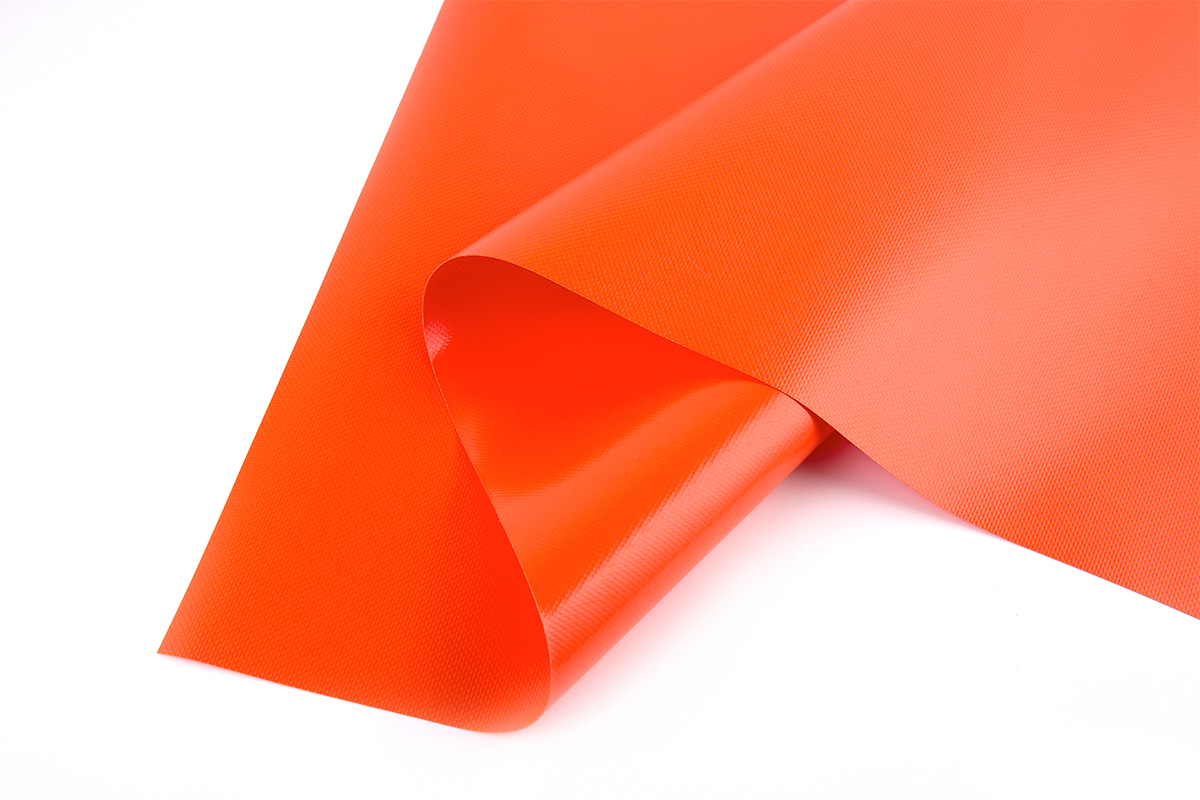
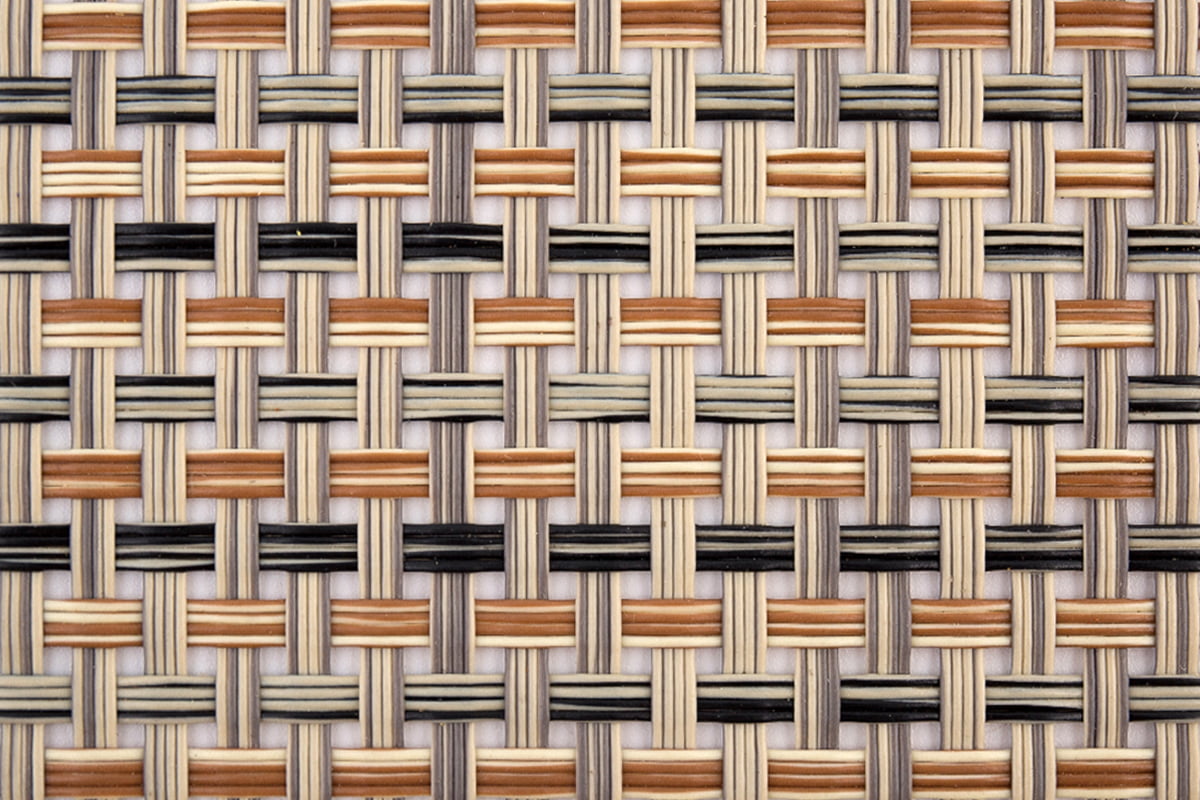
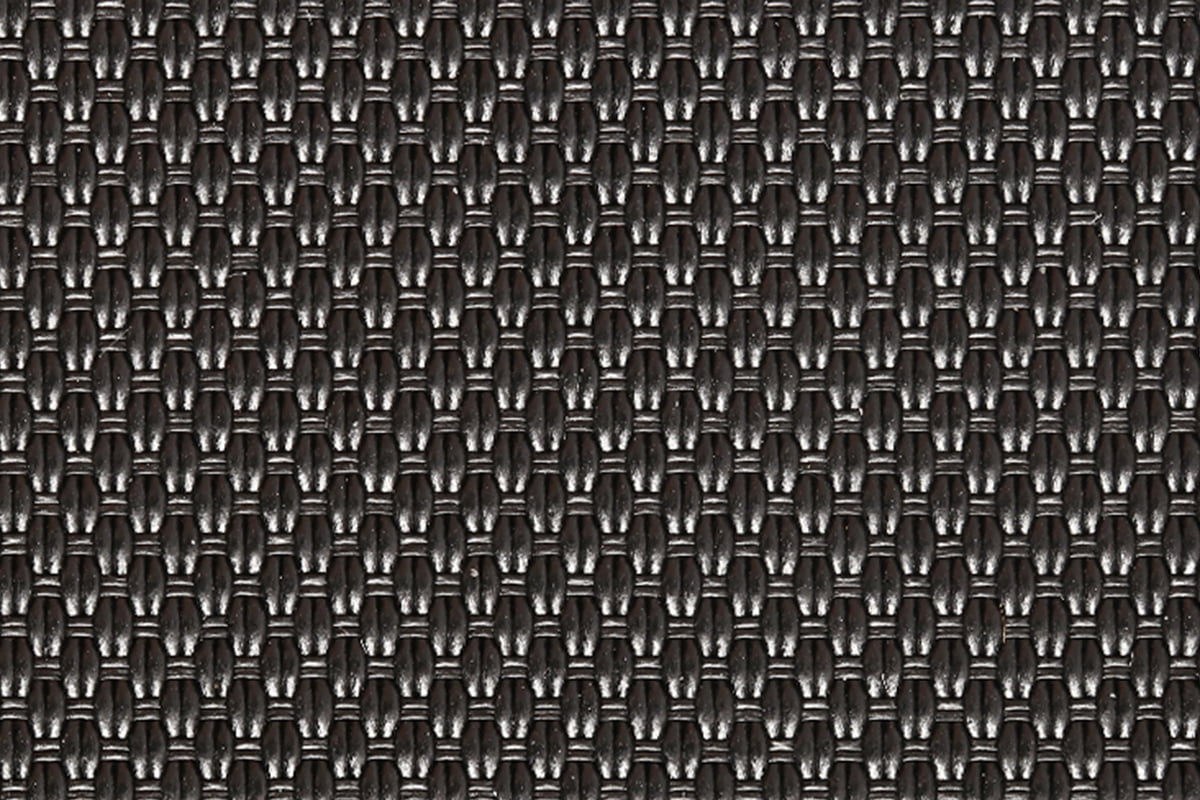
A PVC coated polyester yarn factory supplies yarn for woven awning fabric, tarpaulin base cloth, outdoor furniture mesh, and industrial conveyor belt reinforcement. The same core-shell yarn technology applies wherever strength and weather resistance must combine.
Awnings and canopies
Sun protection fabric woven from coated yarn withstands UV degradation and rain. The PVC coating seals the polyester from moisture and provides the color that architects and designers specify.
Tarpaulins and covers
Truck covers, storage tarps, and temporary shelters rely on base fabric woven from PVC coated polyester yarn. The yarn's tensile strength holds against wind load and tensioned tie-downs.
Outdoor furniture
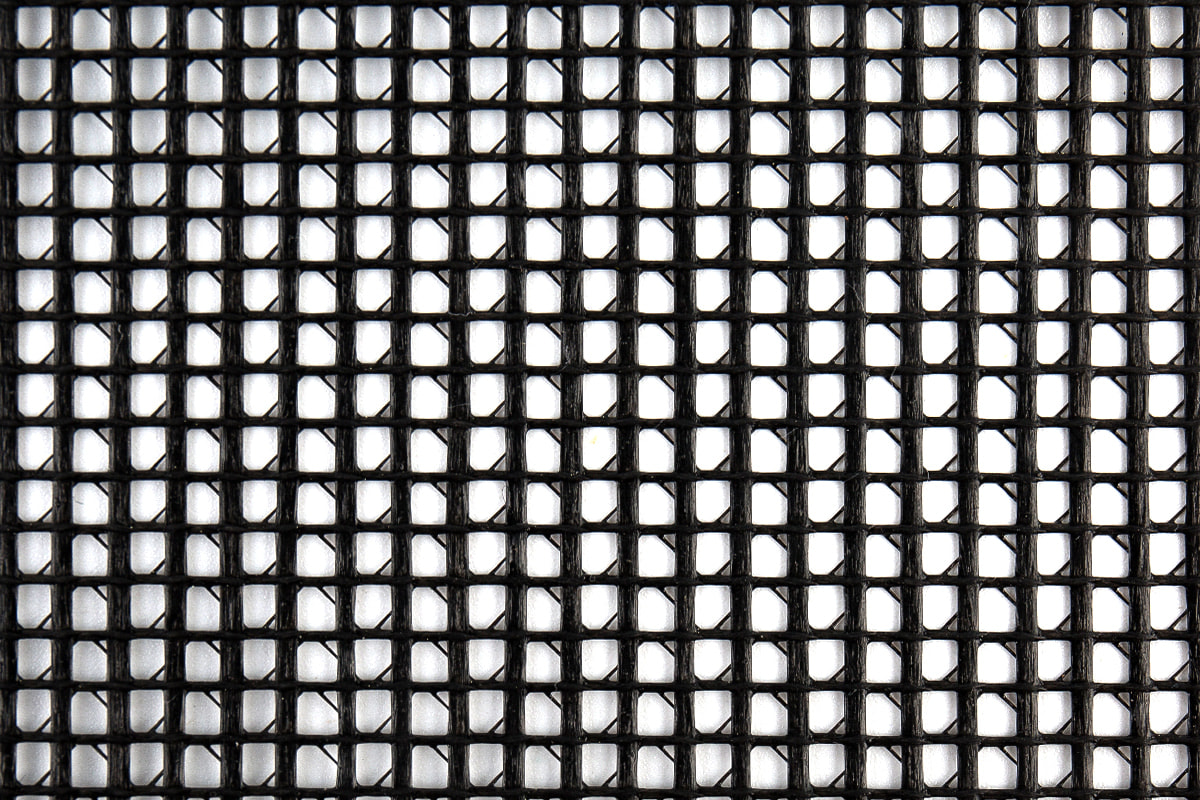
Woven mesh for chairs and loungers uses coated yarn for comfort, colorfastness, and resistance to pool chemicals and sunscreen oils. The surface feel matters alongside durability.
How to Spot a Capable Supplier
Process control separates reliable factories from the rest
A capable PVC coated polyester yarn factory runs controlled extrusion lines with documented settings. It tests incoming polyester yarn and outgoing coated product. It ships on spools that unwind smoothly without snagging. Lead time reliability and packaging quality matter for just-in-time weaving operations.
Testing and documentation
Ask for tensile test data, accelerated weathering reports, and coating thickness measurements. A factory that tracks and shares this information runs a mature quality system. One that relies on visual checks is not in control.
Product range flexibility
A PVC coated polyester yarn factory should offer different deniers, colors, and compound formulations. The ability to match a customer's specific color or flame-retardant standard adds real supply chain value.
Here is what to check when evaluating a supplier:
- Tensile strength and elongation data per production batch
- Coating adhesion test results
- Accelerated weathering performance records
A PVC coated polyester yarn is a single thread in a large fabric. But it carries the load. It takes the sun. It keeps the weather out. Choose a factory that controls coating adhesion, UV formulation, and tensile consistency. Your fabrics will last longer and perform better outdoors. That is the contribution of a PVC coated polyester yarn factory.

 NO 1-7 Songxi Road, Chengguan, Tiantai City, Zhejiang, China. Post Code:317200
 +86-13958505030
