
 en
en Español
Outdoor environments require materials that withstand sun, wind, and moisture. Facades. Awnings. Pergolas. Fencing. Without durable covering, it is a maintenance problem. Vinyl woven mesh fabric delivers the performance required for these demanding applications. It offers high tensile strength with controlled openness that provides shade without blocking airflow. It resists UV degradation and moisture absorption. It makes outdoor spaces more comfortable and structures more durable.
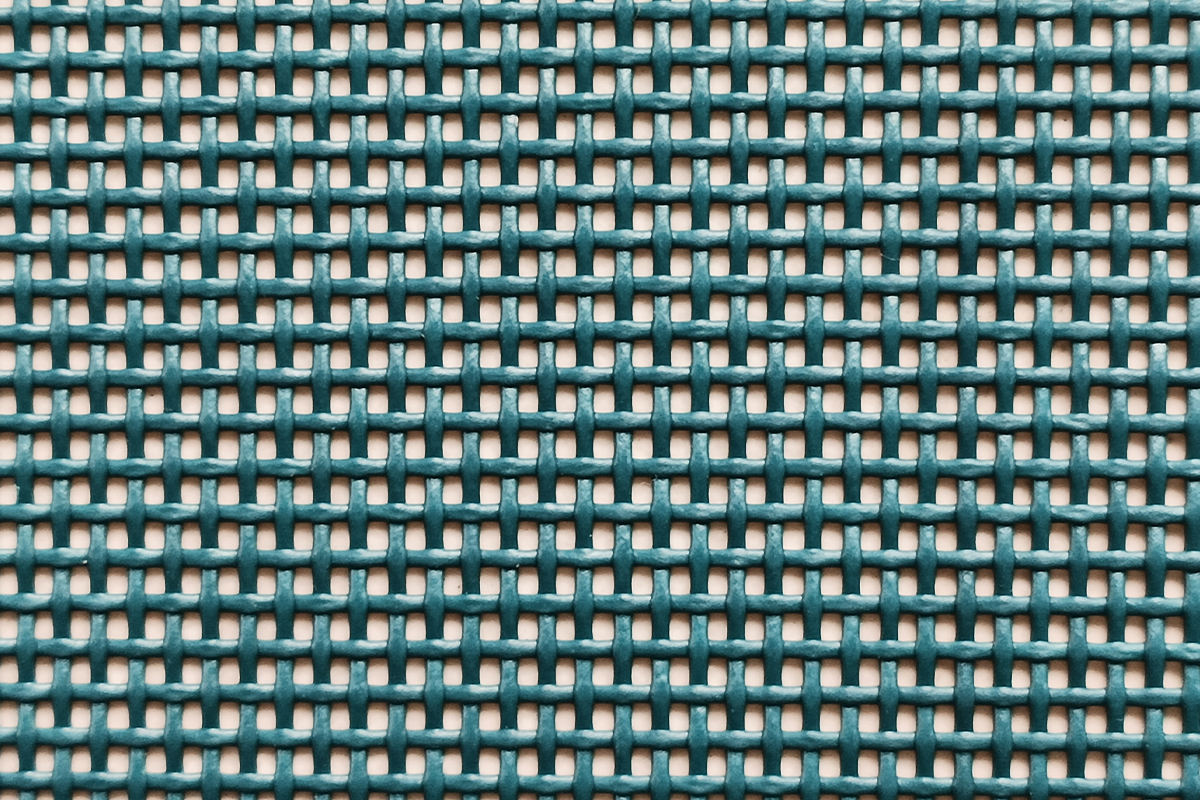
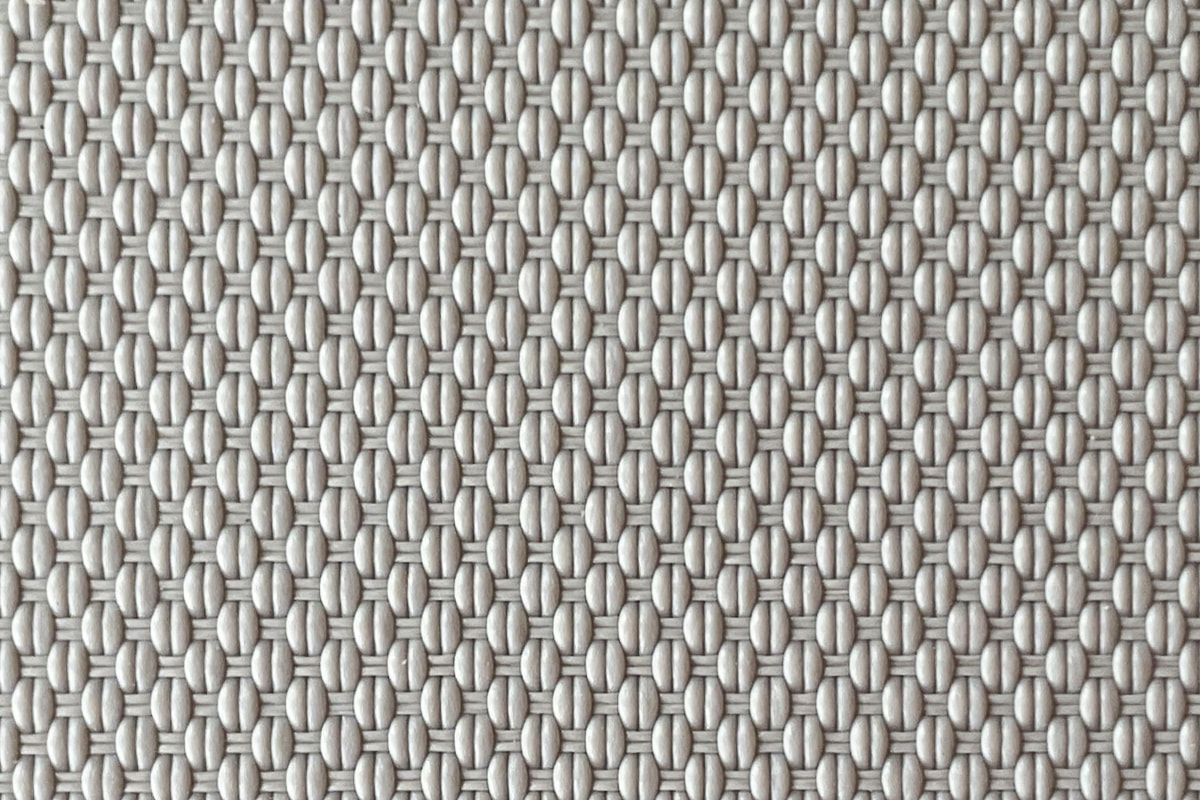
The Structural Design of Woven Mesh
The mesh construction allows airflow while blocking sunlight
Heat accumulates under solid coverings. Vinyl woven mesh fabric is manufactured with a grid pattern that permits air circulation. The fabric reduces solar heat gain significantly. The space remains comfortable. Air moves freely.
The weave pattern determines the shading factor
Different projects require different levels of solar reduction. Vinyl woven mesh fabric is produced with varying openness factors. The shade coefficient ranges from 5% to 40%. The user selects the appropriate density. The fabric meets the shading requirements.
The fabric maintains dimensional stability under tension
Mesh fabrics can stretch or distort. Vinyl woven mesh fabric is designed with stable yarns that resist elongation. The fabric stays taut in frames. The appearance is consistent. The performance is reliable.
How Vinyl Mesh Protects Against Environmental Damage
UV inhibitors are integrated into the material
Sun exposure degrades unprotected materials. Vinyl woven mesh fabric is formulated with UV stabilizers that prevent breakdown. The colour remains vibrant. The fabric does not become brittle. The service life is extended.
The fabric is resistant to moisture and mould growth
Water absorption causes mildew. Vinyl woven mesh fabric is hydrophobic and does not absorb moisture. The material dries quickly. Mould does not establish. The fabric remains clean and hygienic.
The surface is resistant to dirt accumulation
Outdoor fabrics trap dust and pollutants. Vinyl woven mesh fabric has a smooth, non-porous surface that releases dirt. Rainwater washes the surface clean. Maintenance is small. The appearance is maintained.
Where Vinyl Woven Mesh Fabric Is Installed
Commercial building facades
Architects use mesh for external shading and visual screening. Vinyl woven mesh fabric is mounted on aluminium frames. The façade appears modern and textured. Solar heat gain is managed. The occupants enjoy natural light without glare.
Outdoor pergolas and shading structures
Residential and commercial outdoor areas need protection. Vinyl woven mesh fabric is installed as retractable or fixed shade. The fabric reduces UV exposure by up to 95%. The open weave prevents heat accumulation. The space remains usable in sunlight.
Construction site safety fencing and screening
Building sites require visual barriers and debris containment. Vinyl woven mesh fabric is used for perimeter screening. The fabric is durable and reusable. The material withstands wind and handling. The site is secured.
Agricultural and horticultural applications
Greenhouses and nurseries use shading to protect plants. Vinyl woven mesh fabric is installed over crops and structures. The shade level is controlled for ideal growth. The fabric lasts multiple seasons. The plants are protected.
What to Look for in Vinyl Woven Mesh Fabric
Openness factor must match the shade requirement
Different applications need different densities. Vinyl woven mesh fabric should be selected based on the required solar reduction. Denser mesh provides more shade. Lighter mesh allows more airflow and light. The selection is project-specific.
Tensile strength must suit the installation method
Structural installations require higher strength. Vinyl woven mesh fabric should be specified for the appropriate tension. The fabric supports the load. The frame is not overstressed.
Colour must be stable over the fabric's service life
Dark colours fade less visibly but may absorb more heat. Vinyl woven mesh fabric should be evaluated for colourfastness. The material meets the design specification. The appearance is preserved.
The fabric must comply with applicable fire safety regulations
Public and commercial installations require fire testing. Vinyl woven mesh fabric should carry fire ratings. The material meets local requirements. The installation is approved.
Standard specifications for vinyl woven mesh fabric:
- Materials: PVC-coated polyester yarns
- Openness factor: 5%, 10%, 20%, 30%, 40%
- Weight: 300g/m² to 700g/m²
- Tensile strength: 150kg to 250kg per 5cm width
- UV resistance: 1500 hours small QUV testing
- Temperature range: -30°C to +70°C
- Fire rating: self-extinguishing, Class 1 or equivalent
- Width: 1.5m, 2.0m, 3.0m, 4.0m
Vinyl woven mesh fabric transforms open spaces into comfortable, shaded environments. But it determines whether an outdoor area remains usable during peak sunlight or becomes too hot to enjoy. It decides whether a building façade maintains its fresh appearance or fades and deteriorates. Choose a fabric with the correct openness, adequate strength, stabilised colour, and appropriate fire rating. Your outdoor spaces will be comfortable and attractive. Your structures will be protected. That is the purpose of vinyl woven mesh fabric. To make outdoor environments functional and resilient.
 NO 1-7 Songxi Road, Chengguan, Tiantai City, Zhejiang, China. Post Code:317200
 +86-13958505030
