
 en
en Español
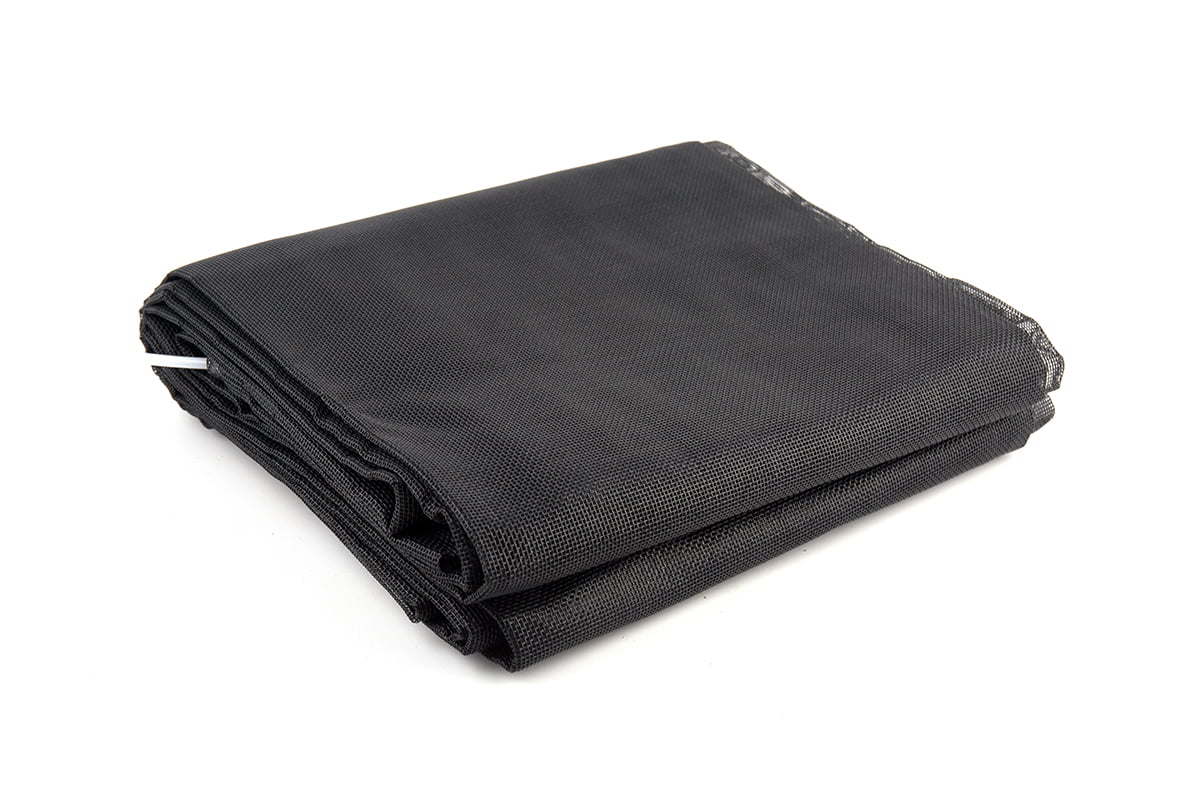
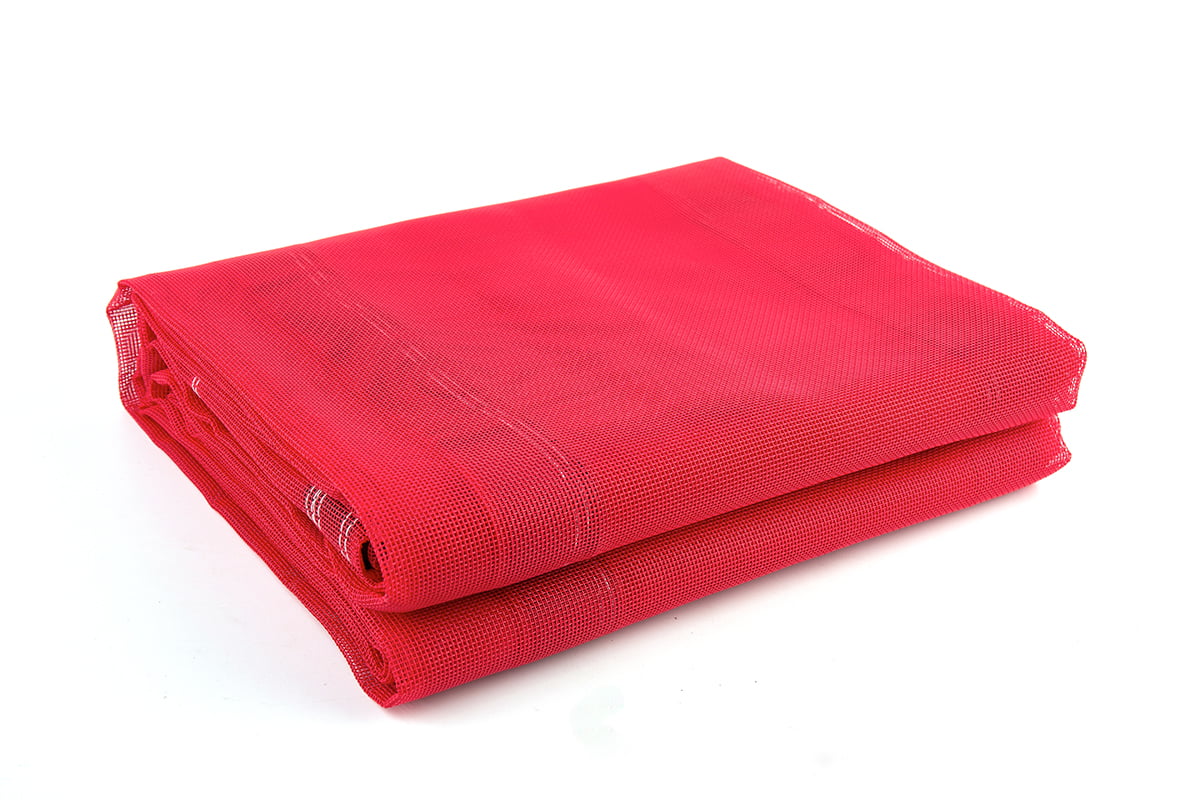
Outdoor living spaces have become more common in residential and commercial environments. From backyard patios to café seating areas, shade protection materials are now used in a wider range of settings. This change has influenced how manufacturers operate, especially those involved in textile production for sun protection systems. A Sunscreen Mesh Fabric Factory plays an important role in supplying materials used for shading, ventilation, and privacy structures.
Instead of producing only standard rolls of mesh fabric, many factories now work with customized specifications to meet different climate and architectural needs.
Outdoor Shade Systems Are Driving Fabric Demand
Sun protection materials are widely used in modern construction projects. These fabrics help reduce direct sunlight while still allowing airflow, making them suitable for both residential and commercial spaces.
A Sunscreen Mesh Fabric Factory typically produces materials used in:
- Outdoor roller blinds
- Balcony shading systems
- Garden pergola covers
- Parking lot shade structures
- Commercial storefront awnings
Each application requires different levels of density and light filtration depending on design goals and environmental conditions.
Material Structure Affects Performance Use
Sunscreen mesh fabric is designed with woven or knitted structures that control how much light and air passes through. The balance between openness and density is often adjusted based on customer requirements.
In a Sunscreen Mesh Fabric Factory, production teams may adjust:
- Yarn thickness
- Weaving tightness
- UV resistance additives
- Color consistency
- Coating treatment levels
These variations help suppliers meet different regional demands, especially in areas with strong sunlight exposure or high humidity conditions.
Customization Requests Are Increasing
Many buyers no longer order standard fabric rolls without modification. Instead, they request specific widths, colors, and shading percentages that match project designs.
A Sunscreen Mesh Fabric Factory often handles custom requests such as:
- Private label branding
- Custom roll lengths
- Special color matching
- Fire-retardant treatment options
- Packaging designed for export distribution
This flexibility supports both construction contractors and retail distributors working on different types of outdoor projects.
Production Planning and Consistency Requirements
Fabric production requires controlled processes to maintain consistent density and appearance across large batches. Even small variations in weaving tension can affect final installation results.
Factories specializing in Sunscreen Mesh Fabric Factory operations usually monitor:
- Yarn tension during weaving
- UV coating uniformity
- Roll alignment and cutting precision
- Batch color consistency
- Material shrinkage control
These checks help ensure that large orders maintain consistent performance across multiple shipments.
Export Packaging and Distribution Flow
Because sunscreen mesh fabric is often shipped internationally, packaging plays a role in product protection during long transport cycles. Rolls must be protected from moisture, compression, and surface damage.
A Sunscreen Mesh Fabric Factory supplying global markets may use:
- Waterproof wrapping layers
- Reinforced carton packaging
- Palletized shipping structures
- Barcode labeling for inventory tracking
- Export documentation support
These steps help distributors handle inventory more efficiently when receiving bulk shipments.
Outdoor living trends continue to influence construction materials and architectural design choices. As demand increases for shading and ventilation solutions, fabric manufacturers are adjusting production systems to support more flexible order structures.
The role of a Sunscreen Mesh Fabric Factory reflects this shift, focusing on customization, consistency, and export readiness. In many supply chains, fabric producers are becoming key partners in delivering materials that support both functional shading and modern outdoor design needs.


 NO 1-7 Songxi Road, Chengguan, Tiantai City, Zhejiang, China. Post Code:317200
 +86-13958505030
