
 en
en Español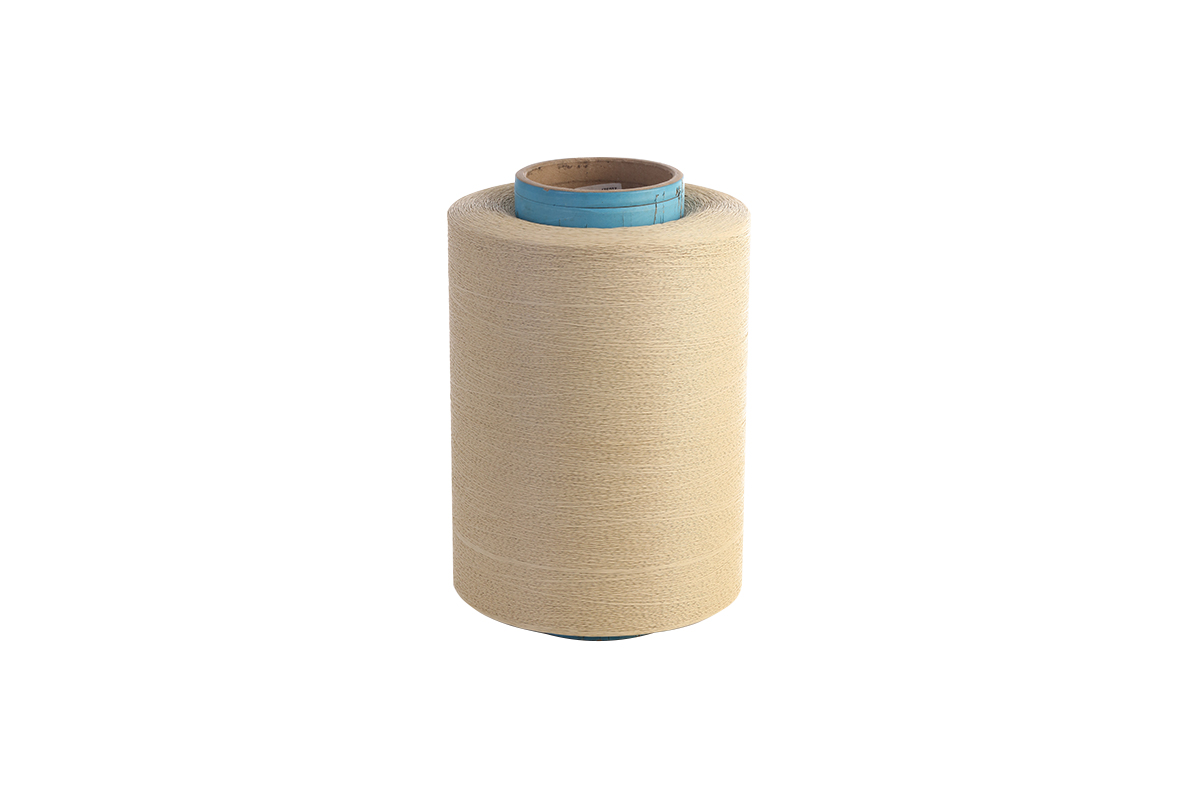
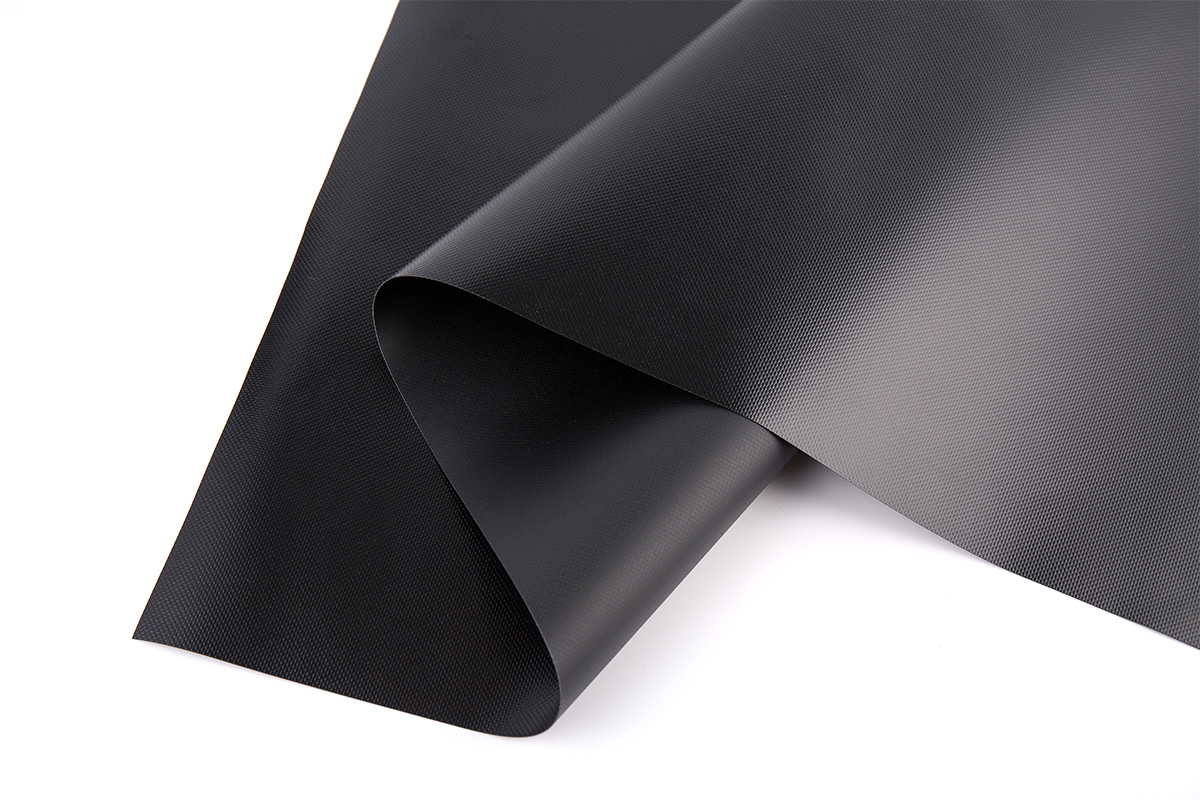
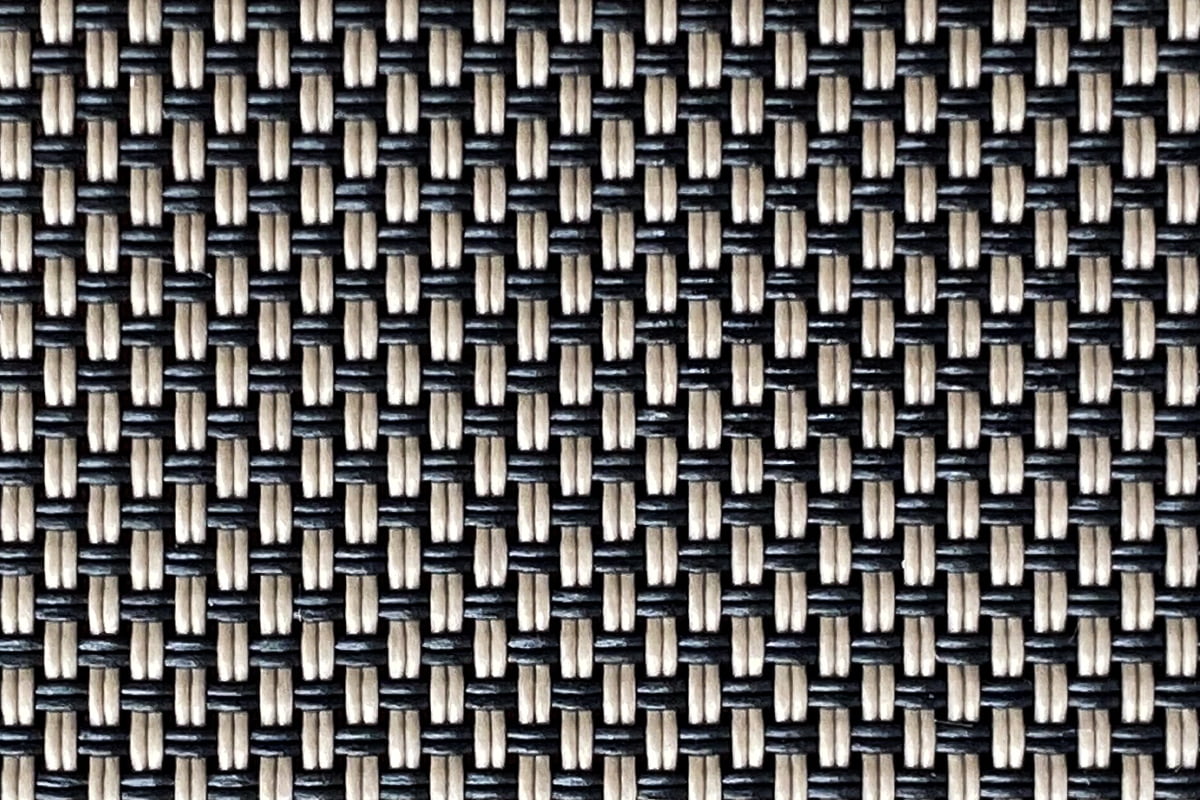
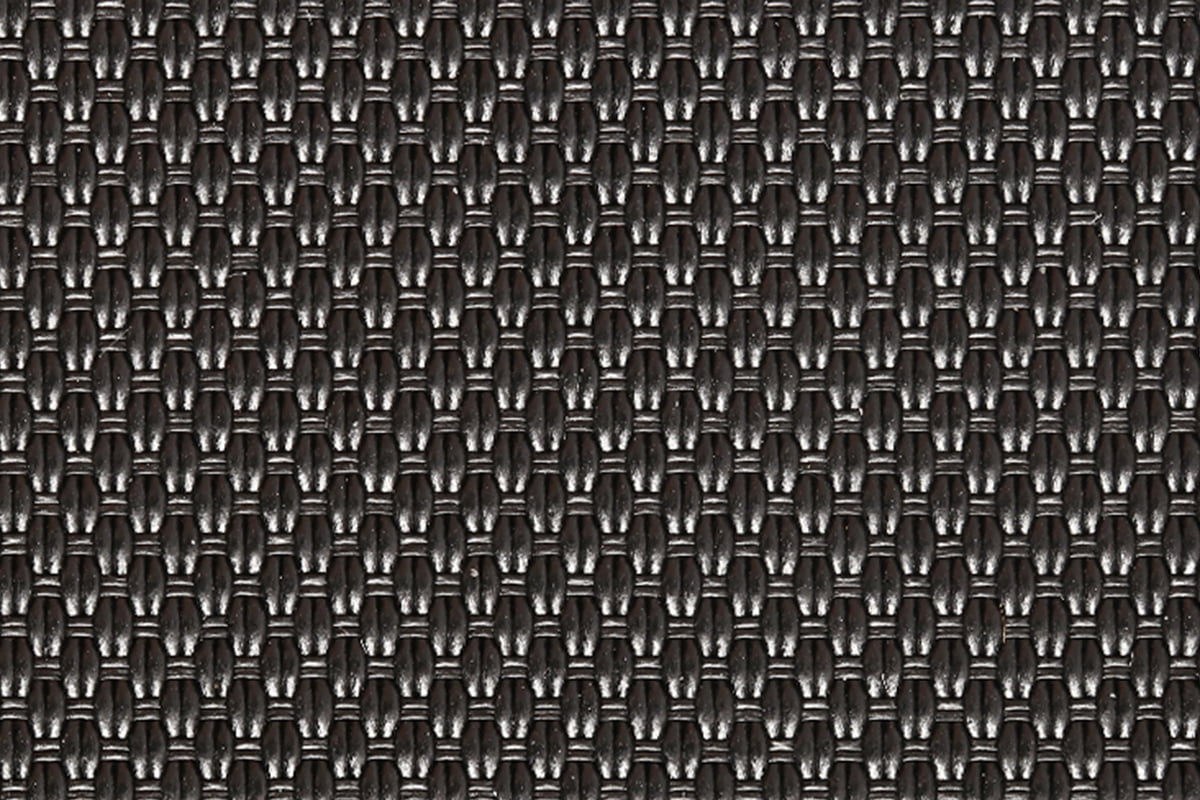
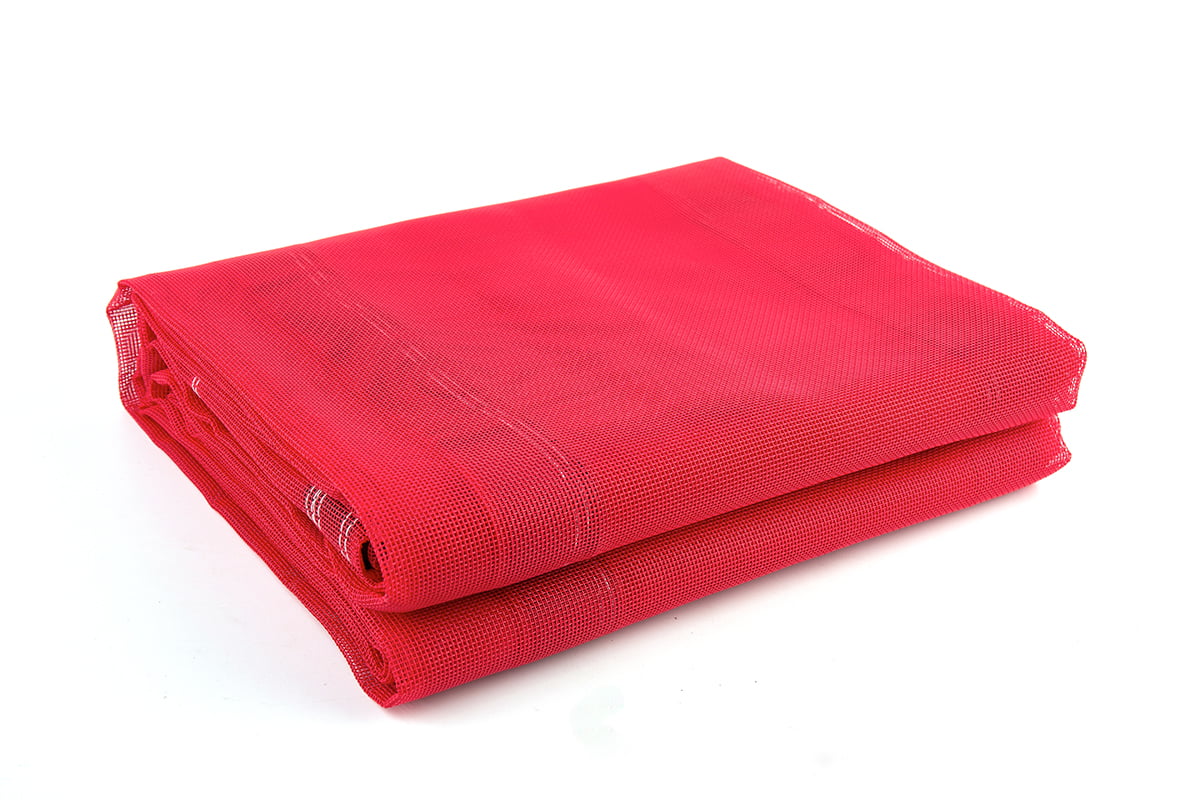
In technical textiles, material selection influences how products behave under real-world conditions. Items like outdoor covers, industrial tarpaulins, and protective fabrics rely on fibers that can handle repeated stress and environmental exposure. Among these materials, PVC Coated Polyester Yarn is widely used due to its structural stability and surface protection layer.
Rather than functioning as a decorative fiber, PVC Coated Polyester Yarn is designed for performance in environments where moisture, friction, and weather changes are common.
Structure and Material Composition
The core of PVC Coated Polyester Yarn is a polyester filament that provides tensile strength and flexibility. Around this core, a PVC layer is applied to create a protective coating. This combination allows the yarn to maintain structure while gaining resistance to water and abrasion.
In production, PVC Coated Polyester Yarn is processed through coating and curing stages. The PVC layer bonds with the polyester base, forming a continuous surface that reduces fiber damage during use.
Thickness of the coating can vary depending on application requirements. A thicker coating may improve resistance to external elements, while a thinner layer supports flexibility in stitching and weaving processes.
Applications in Outdoor Fabric Systems
One of the common uses of PVC Coated Polyester Yarn is in outdoor textile structures such as awnings, tents, and industrial covers. These products are exposed to sunlight, rain, and wind, which can affect untreated fibers over time.
When used in these environments, PVC Coated Polyester Yarn helps maintain fabric integrity by reducing water absorption and limiting surface wear. This makes it suitable for long-term installation in semi-permanent or portable structures.
In large-scale applications, uniform stitching strength becomes important. The yarn supports consistent seam behavior during repeated tension cycles caused by wind movement or mechanical stress.
Industrial Sewing and Fabric Construction
In manufacturing processes, sewing performance matters as much as material durability. PVC Coated Polyester Yarn is often selected for heavy-duty stitching tasks, including automotive covers, agricultural sheets, and storage tarps.
Its coated surface allows smoother feeding through industrial sewing machines. At the same time, it reduces friction between needle and fiber, which can help maintain stable stitching conditions during longer production runs.
Operators may adjust needle type and thread tension depending on fabric thickness. These adjustments help ensure that seams remain consistent across different product batches.
Environmental Exposure and Material Behavior
Outdoor products face constant environmental changes. Sunlight, humidity, and temperature shifts can affect material behavior. PVC coating provides a barrier that reduces direct exposure of polyester fibers to moisture.
In many cases, PVC Coated Polyester Yarn is evaluated for UV resistance and flexibility after prolonged use. While it is not immune to environmental stress, the coating layer helps slow down surface degradation under typical outdoor conditions.
Storage conditions before use also matter. Keeping yarn in dry, shaded environments helps maintain coating stability before production begins.
Production Considerations and Quality Control
Manufacturers pay attention to coating uniformity and adhesion quality during production. Uneven coating may affect stitching behavior or long-term performance in finished products.
During quality checks, PVC Coated Polyester Yarn is often tested for tensile strength, elongation behavior, and coating adhesion. These tests help identify variations that may affect downstream textile processing.
Batch consistency is also monitored to support stable performance in industrial sewing lines, where variations can impact production efficiency.
A Functional Choice in Technical Textiles
In modern textile applications, material performance is closely tied to environmental resistance and mechanical stability. PVC Coated Polyester Yarn plays a practical role in supporting these requirements across outdoor and industrial fabric systems.
Its combination of a polyester core and PVC coating allows it to function in environments where durability and consistent stitching behavior are required, making it a regular choice in technical textile production.

 NO 1-7 Songxi Road, Chengguan, Tiantai City, Zhejiang, China. Post Code:317200
 +86-13958505030
