
 en
en Español
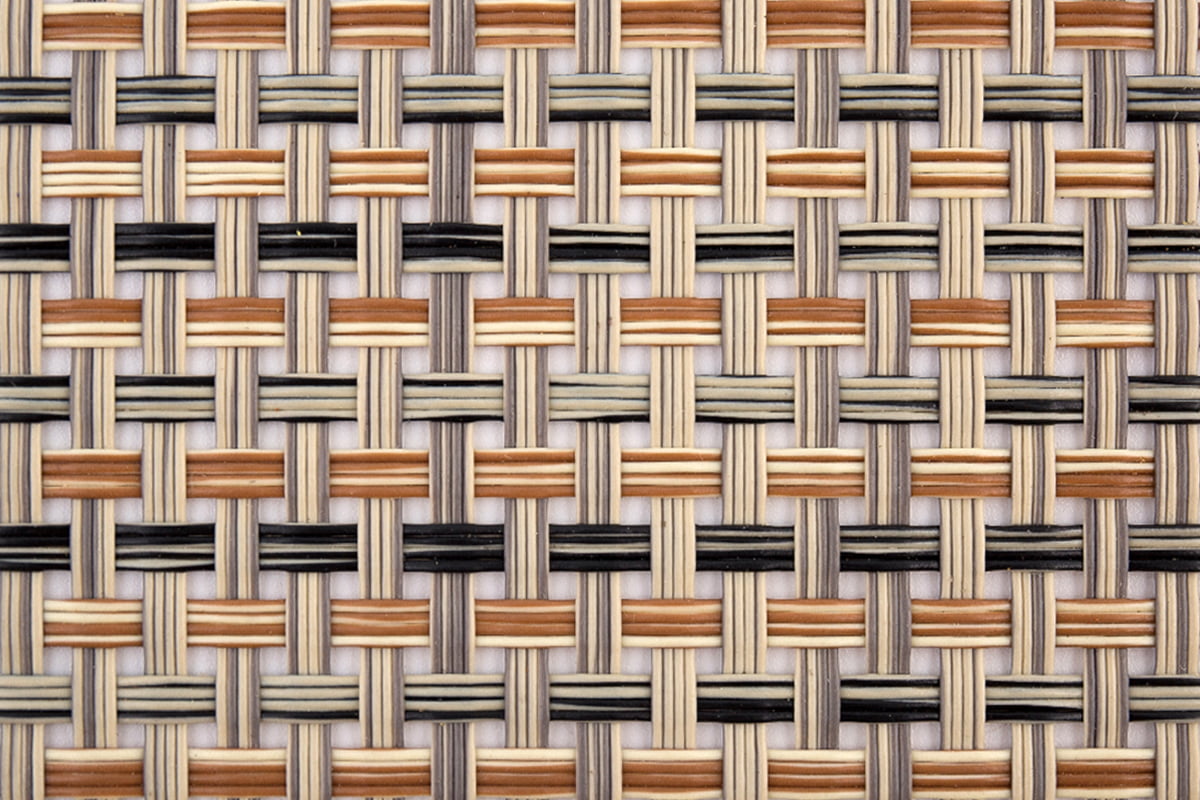
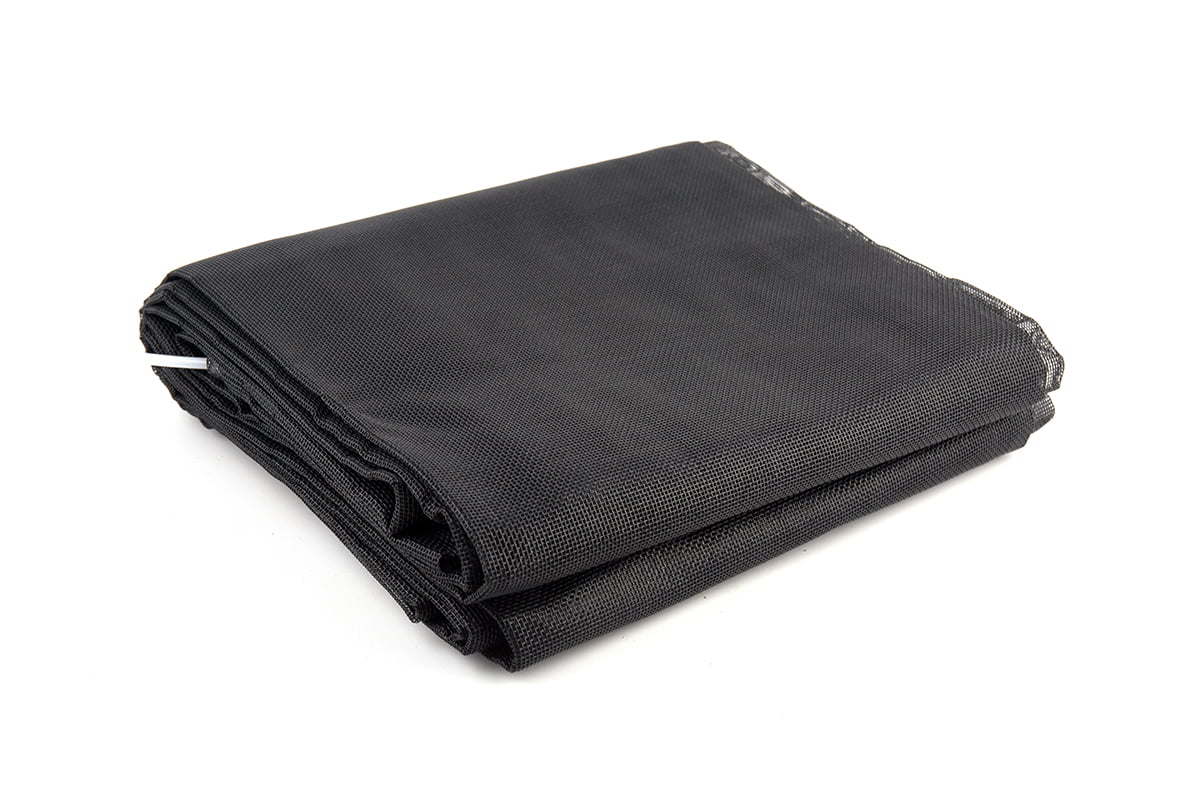
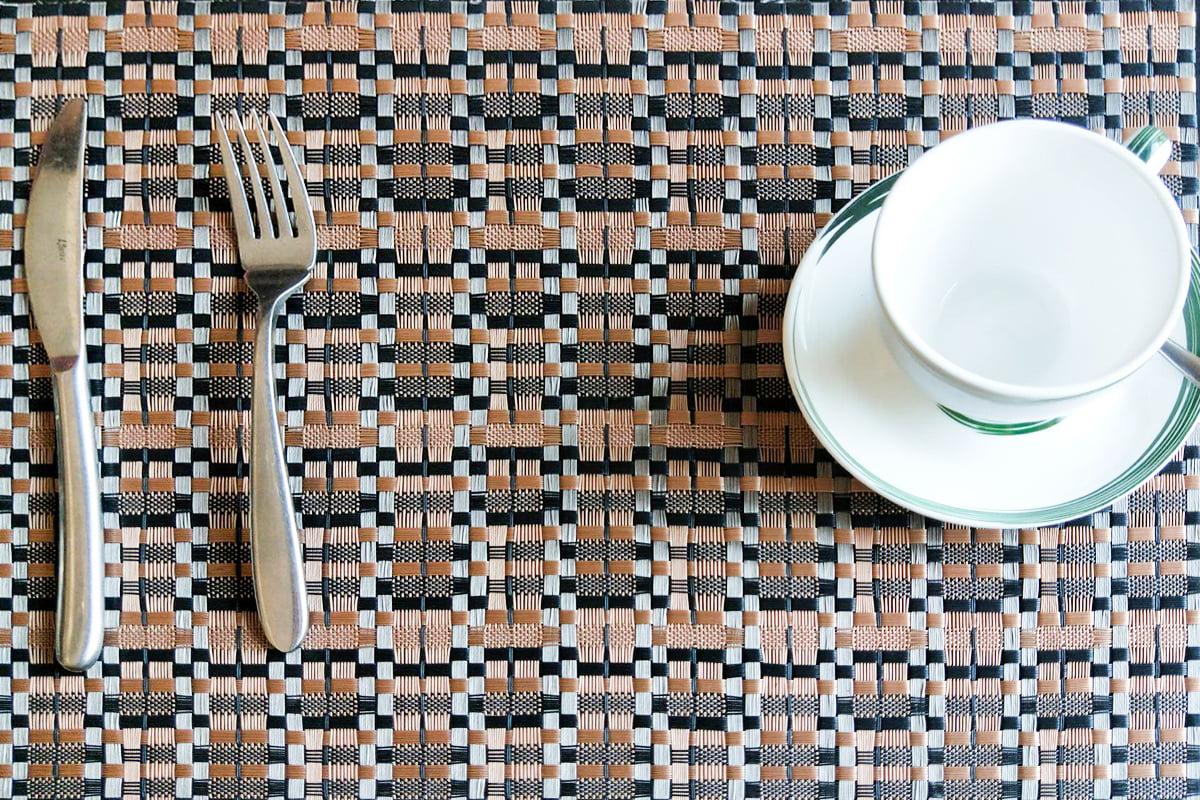
PVC Mesh Fabric is one of those materials that usually sits quietly inside different structures without being noticed. It is not a decorative focus. Instead, it works in the background where air movement, partial covering, or light separation is needed. The structure looks simple, but that simplicity is what makes it flexible in real use.
In many material supply flows, including production situations connected with Zhejiang Tiantai Advans Textile Co., Ltd. , this kind of fabric is often handled as a functional component. What matters is not how it looks on a sample sheet, but how it behaves after it is installed and exposed to everyday conditions over time.
PVC Coated Polyester Mesh Fabric is often placed in the same group, but it does not behave exactly the same way. The coating changes the surface reaction, especially when the material is used in places where exposure is continuous or installation is long term.
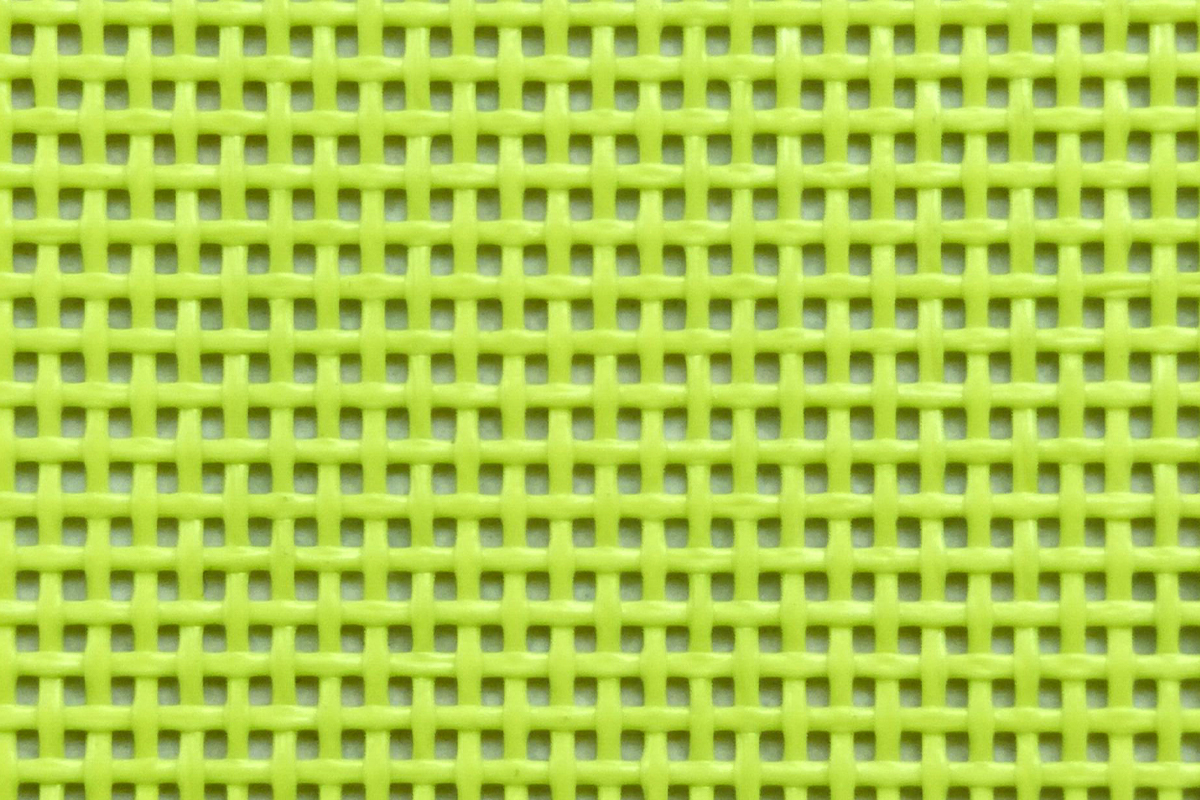
How PVC Mesh Fabric Appears In Different Usage Environments
PVC Mesh Fabric can be found in many places where full sealing is not required. It usually appears where air still needs to pass through, but some kind of boundary or covering is still useful.
In daily environments, it might be seen in simple shading setups or light partition structures. In these situations, the material is not trying to block everything. It is more about soft separation and allowing air movement at the same time.
In more functional environments, it is used in ventilation related systems or protective layers where airflow is part of the design. It works as a surface that does not stop movement completely but controls how it passes through a space.
PVC Coated Polyester Mesh Fabric is used in similar positions, but it is often chosen when the surface needs to stay more stable under longer exposure. The coating changes how open or flexible the surface feels during use.
What PVC Mesh Fabric Means In Industrial And Daily Application Use
PVC Mesh Fabric is a structured material made with repeated openings across the surface. These openings are arranged in a consistent pattern rather than random gaps. This pattern is what allows air and light to pass through in a controlled way.
In simple use, it is selected when full coverage is not necessary. Instead of closing a space completely, it creates a surface that still allows interaction between both sides.
In industrial use, the same idea is applied in a more functional way. It can be part of ventilation structures, separation layers, or protective surfaces where airflow still needs to continue.
The material does not aim to block movement. It adjusts how that movement happens across the surface.
How PVC Mesh Fabric Structure Affects Airflow And Material Behavior
The way PVC Mesh Fabric behaves is closely tied to its structure. The open grid design creates multiple small passages that allow air to move through the material.
Airflow is influenced by:
- The spacing between the mesh points
- How evenly the pattern is formed across the surface
- How the material is fixed during installation
When air passes through, it does not meet a solid wall. It spreads through multiple small openings. This reduces direct pressure on the surface and spreads movement more evenly.
PVC Coated Polyester Mesh Fabric behaves a bit differently because the coating slightly closes or covers parts of the structure. This changes how freely air moves through the surface and how the material reacts when exposed to pressure.
How PVC Mesh Fabric Performs Under Different Environmental Conditions
In real use, PVC Mesh Fabric is rarely kept in controlled conditions. It is usually exposed to changing environments, which can include air movement, light variation, and surface contact over time.
Depending on where it is installed, it may experience:
- Constant airflow passing through the surface
- Shifts in light exposure during the day
- Contact with moisture in some environments
- Small particles carried by wind or surroundings
Because of its open structure, these elements do not stop at the surface. They pass through, which reduces buildup of pressure on one side.
Over time, the material may show small surface changes, but the overall structure usually remains stable when used in appropriate conditions.
Where PVC Mesh Fabric Is Commonly Used In Practical Applications
PVC Mesh Fabric appears in many practical environments where partial openness is needed.
Typical uses include:
- Simple shading structures in open areas
- Ventilation related installations
- Separation layers in shared spaces
- Protective coverings that still allow airflow
- Lightweight structural support in outdoor setups
Its role is not fixed to one function. It can shift depending on how it is installed and what kind of environment it is placed in.
How PVC Coated Polyester Mesh Fabric Differs In Structure And Performance
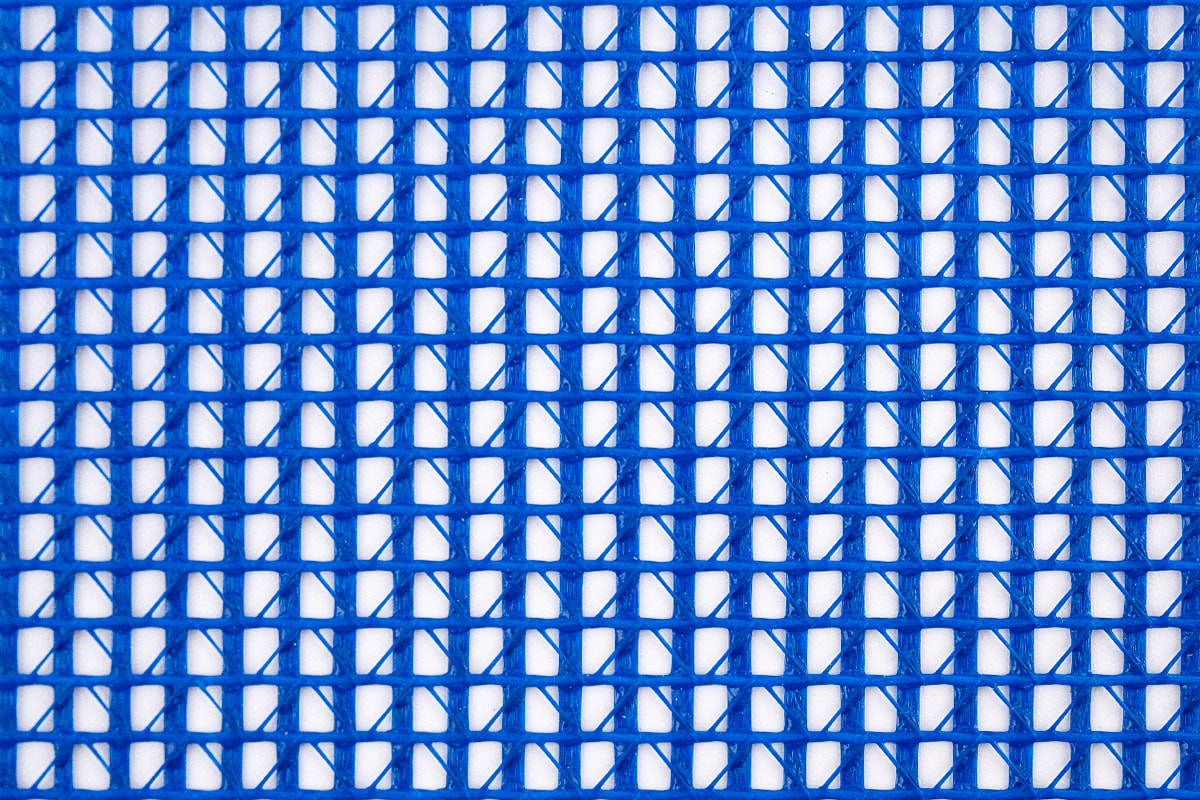
PVC Coated Polyester Mesh Fabric starts with a polyester mesh base, then a PVC layer is added on the surface. This changes how the material feels and performs once it is in use.
Compared with standard mesh fabric, it usually:
- Feels more closed on the surface
- Reduces direct airflow through openings
- Keeps its shape more consistently under pressure
- Shows a less open appearance visually
The mesh structure is still there, but the coating changes how visible and functional the openings are during use.
This difference becomes more noticeable when the material stays exposed for longer periods.
How PVC Coating Process Changes Material Behavior
When a PVC layer is added to polyester mesh, it interacts with the base structure and slightly changes how the fabric behaves.
After coating, the material often shows:
- A more sealed surface feel
- Slightly adjusted flexibility during handling
- Higher resistance to surface contact
- A more unified structure instead of loose mesh feel
The original mesh pattern is still present, but its behavior in real conditions becomes more controlled.
How PVC Coated Polyester Mesh Fabric Is Used In Industrial Environments
In industrial settings, PVC Coated Polyester Mesh Fabric is often selected when surface stability is more important than open airflow.
It is commonly used in:
- Protective separation systems
- Controlled ventilation setups
- Long term covering structures
- Storage related protective layers
- Fixed installations exposed to outside conditions
The coating helps the material hold its condition even when it is used in more demanding environments.
How PVC Mesh Fabric And PVC Coated Polyester Mesh Fabric Respond To Outdoor Conditions
Outdoor environments create constant changes in airflow, light, and surface contact. These two materials respond differently under those conditions.
PVC Mesh Fabric allows more direct interaction with the environment. Air and light pass through freely, which reduces pressure on the surface but increases exposure.
PVC Coated Polyester Mesh Fabric reduces this openness. The coating limits direct interaction, creating a more controlled surface response.
| Material Type | Airflow Behavior | Surface Interaction | Exposure Response | Usage Focus |
|---|---|---|---|---|
| PVC Mesh Fabric | Open airflow through structure | Direct environmental contact | Flexible response to conditions | Ventilation and shading |
| PVC Coated Polyester Mesh Fabric | Reduced airflow | Surface protected layer | More controlled response | Protection and structure |
Both materials work in similar environments, but their behavior depends on how open or controlled the application needs to be.
Which Factors Influence Material Selection Between Two Fabric Types
Selection between these materials is usually based on practical use conditions rather than appearance.
Common considerations include:
- How much airflow the structure should allow
- How long the material will stay exposed
- Whether surface protection is needed
- Installation environment conditions
- Balance between openness and structural control
These points guide selection in real applications where material behavior matters more than visual differences.
How PVC Mesh Fabric Behaves During Installation In Real Working Conditions
When PVC Mesh Fabric is actually installed, the process is usually less about theory and more about how the material reacts in the hands of workers on site. The fabric is flexible, but it still has its own “memory” of how it wants to lay out once unrolled.
In many practical installations, a few small things are often noticed:
- The mesh can shift slightly if it is pulled unevenly
- Edge alignment becomes important when fixing it to frames
- Tension needs to stay consistent, otherwise surface rippling may appear
- Wind conditions during installation can affect positioning
PVC Coated Polyester Mesh Fabric behaves a bit differently here. Because of the coating layer, it feels slightly more controlled when stretched. It does not open up as easily as uncoated mesh, so installers often find it stays closer to its intended shape once fixed.
These are not design differences on paper, but small behaviors that become clear only when the material is being physically installed outdoors or in semi open spaces.
How Workers Usually Handle PVC Mesh Fabric In Daily Use Environments
In field use, Mesh Fabric is not treated as a delicate material, but it still requires a certain rhythm during handling. Workers usually develop simple habits over time based on how the fabric behaves.
Some common handling patterns include:
- Rolling the fabric instead of folding to avoid crease tension
- Keeping the mesh aligned during transport to prevent edge distortion
- Adjusting tension gradually rather than fixing all points at once
- Checking airflow direction before final securing
These steps are not formal procedures. They come from repeated experience with how mesh fabrics respond when stretched or exposed to wind after installation.
PVC Coated Polyester Mesh Fabric is usually easier to handle in terms of surface stability, but it is slightly less forgiving when sharp folds are made, so rolling becomes even more common in practice.
How PVC Mesh Fabric Changes Over Time With Continuous Exposure
Once Mesh Fabric is installed and left in use, its behavior slowly shifts depending on how often it is exposed to environmental factors.
In real conditions, some gradual changes may be noticed:
- Areas that face direct airflow may feel slightly more relaxed over time
- Surface tension can soften after repeated wind exposure
- Dust may settle more in certain open mesh sections
- Color tone may appear slightly less sharp depending on exposure level
These changes do not happen suddenly. They develop slowly through repeated contact with air, light, and movement.
How Environmental Conditions Influence Long Term Fabric Stability
In outdoor or semi outdoor environments, PVC Mesh Fabric is constantly interacting with changing conditions. It is not a static material once installed.
Some practical observations from field use include:
- Wind direction can gradually affect tension balance across the surface
- Moisture may slightly influence flexibility during cooler periods
- Continuous sunlight exposure may slowly adjust surface tone
- Temperature changes can affect how tight or loose the fabric feels on frames
These effects are usually subtle but become noticeable over longer use periods.
PVC Coated Polyester Mesh Fabric reacts in a more restrained way because the coating limits direct exposure. This creates a more stable surface feel, especially in areas where environmental changes are frequent.
How Installation Method Influences Final Performance
Even when using the same Fabric, installation method can change how it behaves in real use.
- Tight fixing creates a more structured and stable surface
- Looser installation allows more airflow movement but may show slight movement in wind
- Uneven tension can create visible wave patterns over time
- Frame material choice can influence how the mesh distributes pressure
These are not manufacturing issues but installation realities that appear only when the material is put into actual working conditions.
PVC Coated Polyester Mesh Fabric is slightly more tolerant to uneven tension because of its surface coating, but correct installation still plays a major role in long term performance.
How PVC Mesh Fabric Reacts To Repeated Physical Contact
In some applications, PVC Mesh Fabric is not just exposed to the environment but also to frequent physical contact. This can happen during cleaning, adjustment, or simple handling in daily use areas.
- Slight smoothing of surface texture in touched areas
- Localized tension changes where pressure is applied often
- Small shifts in mesh alignment near edges or connection points
- Gradual softening of frequently handled sections
PVC Coated Polyester Mesh Fabric tends to resist surface change more evenly, but repeated contact still leaves subtle marks depending on intensity and frequency.
How Maintenance Habits Affect Material Lifespan In Practical Use
Maintenance of PVC Mesh Fabric is usually simple, but even light maintenance routines can influence how long the material keeps its original behavior.
Common field practices include:
- Occasional rinsing to remove surface dust
- Checking tension points after strong weather exposure
- Re-tightening frame connections when slight loosening appears
- Inspecting edges where stress is usually concentrated
These actions do not change the material itself, but they help maintain its original working condition for a longer period.
PVC Coated Polyester Mesh Fabric often requires slightly less frequent adjustment because its surface remains more stable under similar conditions.
How Fabric And Coated Versions Age Differently In Real Use
Aging in mesh fabric does not usually mean sudden failure. It is more about gradual shifts in feel, tension, and appearance.
PVC Mesh Fabric tends to show:
- More noticeable softening in high exposure areas
- Gradual reduction in surface tightness
- Slight variation in mesh openness over time
- PVC Coated Polyester Mesh Fabric usually ages in a slower and more controlled way:
- Surface remains more uniform for longer periods
- Structural shape changes occur more gradually
- External exposure effects are less visible at early stages
These differences are not about quality levels but about how each structure interacts with its environment over time.
How Field Experience Shapes Material Preference In Real Projects
In many real installations, material choice is often influenced less by specification sheets and more by what has been observed on previous sites.
Over time, installers and users tend to notice patterns such as:
- Mesh fabric is easier to adjust during installation
- Coated mesh holds shape more steadily after setup
- Open structures respond more to wind movement
- Coated surfaces reduce adjustment frequency after installation
These observations slowly shape preference in different application areas, especially where repeated installation or long term exposure is involved.
PVC Mesh Fabric continues to be used in many environments not because it is complex, but because it behaves in a predictable and adaptable way. It allows air to move, supports partial coverage, and fits into structures where full sealing is not required.
PVC Coated Polyester Mesh Fabric sits alongside it as a more controlled variation, especially in situations where surface stability and reduced exposure are more important.
In real field conditions, both materials are judged less by appearance and more by how they behave after installation, during weather changes, and through everyday handling. This practical behavior is what keeps them in regular use across different working environments.

 NO 1-7 Songxi Road, Chengguan, Tiantai City, Zhejiang, China. Post Code:317200
 +86-13958505030
