
 en
en Español
Outdoor comfort has become a growing concern in both residential and commercial design. As living spaces expand into patios, balconies, and large glass-window interiors, controlling sunlight without blocking natural views has gained attention. In this context, Solar Screen Mesh Fabric has become a practical material for managing heat, brightness, and airflow in a balanced way.
Instead of relying only on heavy curtains or fixed shading structures, designers and homeowners are now looking at flexible fabric-based solutions that can adapt to different environments.
Why Sun Control Materials Matter in Daily Spaces
Direct sunlight can increase indoor temperatures and create glare on screens, furniture, and flooring. Over time, this may also affect energy use due to higher cooling demand in warm seasons.
Solar Screen Mesh Fabric helps reduce direct solar exposure while still allowing some visibility and airflow. This balance makes it suitable for windows, pergolas, outdoor seating areas, and commercial storefronts where both comfort and appearance matter.
In many cases, the goal is not to block sunlight completely but to manage how it enters the space throughout the day.
How the Fabric Works in Real Applications
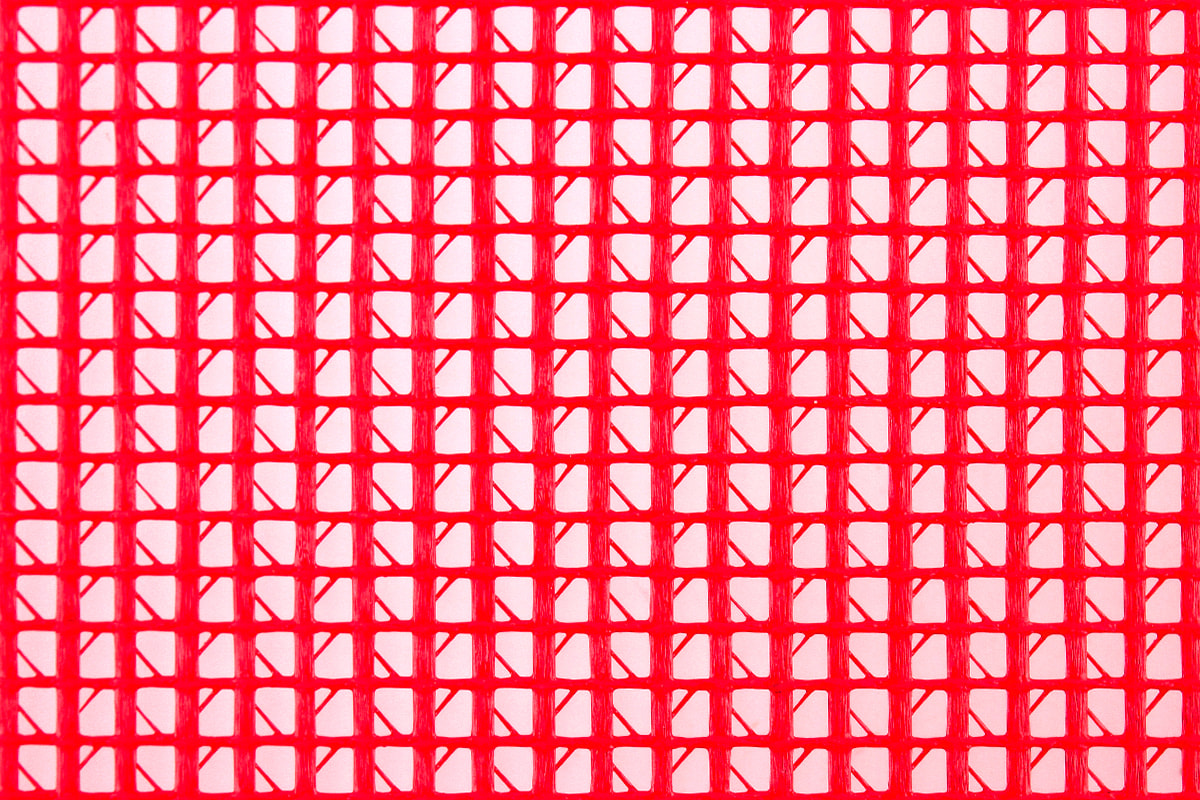
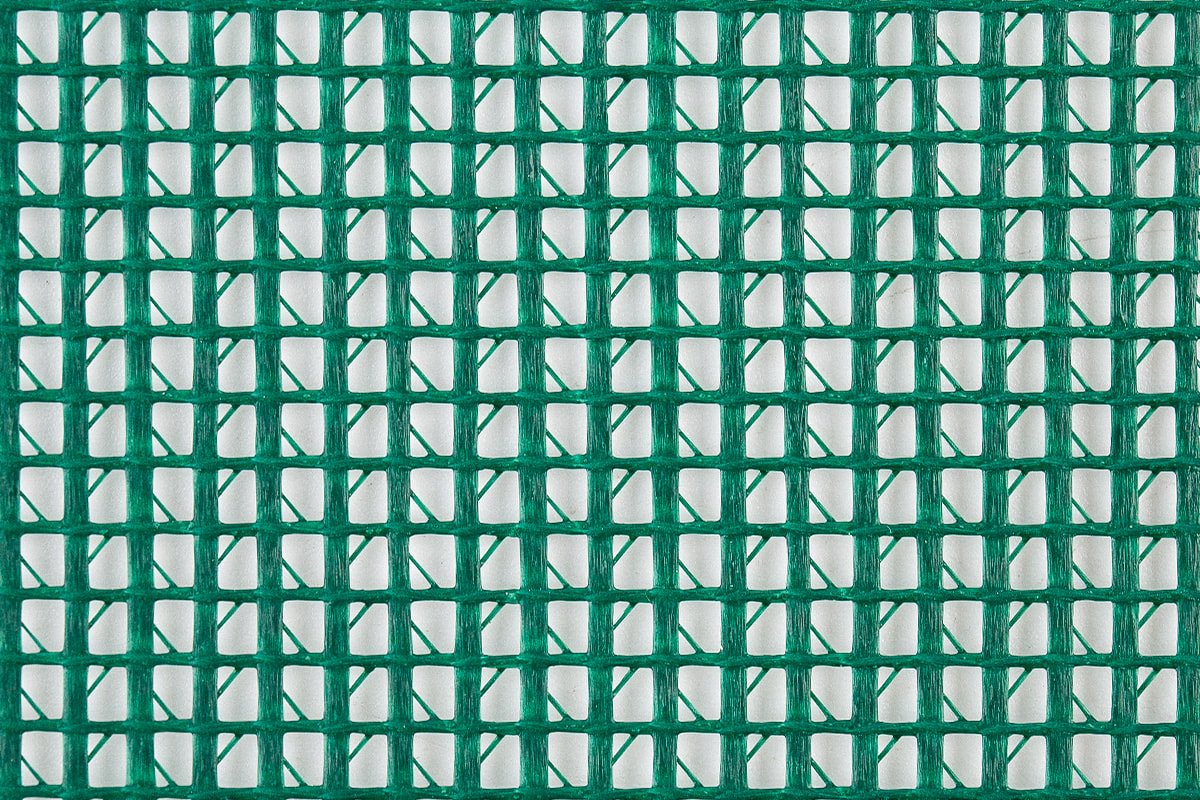
The structure of Solar Screen Mesh Fabric is based on tightly woven fibers that filter sunlight before it enters a space. The mesh density determines how much light and heat are reduced, while still allowing outward visibility from inside.
This material is often installed in:
- Roller shade systems for residential windows
- Outdoor pergola covers
- Balcony sun protection panels
- Office glass façade shading systems
- Restaurant patio enclosures
Each application uses different openness levels depending on how much light control is required.
Indoor Comfort and Energy Considerations
One of the practical uses of Solar Screen Mesh Fabric is supporting indoor temperature control during warmer months. By reducing direct solar gain through windows, it can help reduce the workload on cooling systems.
At the same time, natural light is still present, which helps maintain a more open feeling indoors compared to full blackout curtains. This balance is especially useful in spaces where people spend long hours, such as home offices or retail environments.
Some building designs combine this fabric with existing glass systems rather than replacing windows entirely.
Outdoor Spaces and Visual Flexibility
In outdoor areas, shading systems need to handle changing sunlight angles throughout the day. Fixed structures may not always provide adaptable coverage.
Solar Screen Mesh Fabric can be installed as retractable or fixed panels, depending on project design. In patio environments, it can help reduce glare during peak daylight hours while still allowing airflow for comfort.
For commercial spaces like cafés or rooftop lounges, the fabric also helps maintain a visually light structure without creating a closed-off feeling.
Material Variation and Design Choices
Not all mesh fabrics are the same. Differences in weave density, coating type, and fiber strength can affect performance in real environments.
When selecting Solar Screen Mesh Fabric, designers often consider:
- Light reduction level needed for the space
- Desired visibility from inside to outside
- Weather exposure conditions
- Installation method and frame compatibility
These factors influence how the material behaves in both residential and commercial projects.
Maintenance and Long-Term Use
Outdoor materials are exposed to dust, rain, and temperature changes. Regular cleaning helps maintain airflow and appearance over time.
A Solar Screen Mesh Fabric system usually requires only basic maintenance such as rinsing or light brushing, depending on installation location. In fixed systems, periodic inspection of mounting points can also help maintain stable performance.
Because of its flexible structure, the fabric can be used in both temporary seasonal setups and more permanent architectural shading systems.
As modern buildings continue to integrate larger glass surfaces and open outdoor spaces, sun control solutions are becoming more practical in everyday design planning. Solar Screen Mesh Fabric offers a flexible approach that balances light control, visibility, and airflow without heavily changing architectural structure.
In both residential and commercial applications, it supports adaptable shading strategies that respond to real environmental conditions rather than fixed lighting assumptions.

 NO 1-7 Songxi Road, Chengguan, Tiantai City, Zhejiang, China. Post Code:317200
 +86-13958505030
