
 en
en Español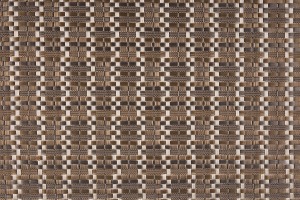
Solar Screen Mesh Fabric is widely used for shading, sun control, and energy-efficient building solutions. The quality and performance of the fabric largely depend on manufacturing processes, material selection, and quality control. Understanding how this fabric is made provides insight into why it delivers consistent durability and performance in industrial and commercial applications.
Raw Material Selection
The production of Solar Screen Mesh Fabric begins with selecting high-quality synthetic fibers, typically polyester or fiberglass. These fibers provide strength, flexibility, and resistance to heat, UV radiation, and moisture. Some manufacturers use PVC-coated fibers to enhance durability and weather resistance. Material choice directly affects the final tensile strength, abrasion resistance, and lifespan of the fabric.
Weaving and Mesh Formation
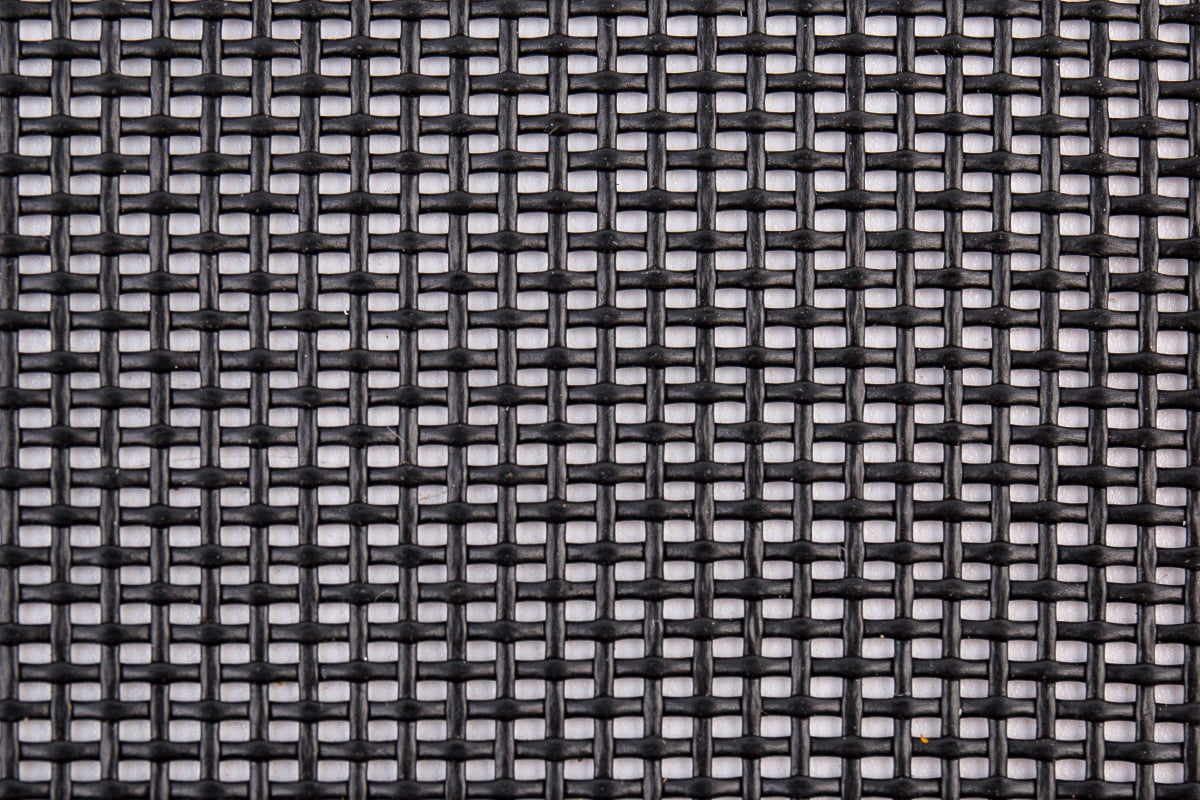
Once the fibers are prepared, they are woven into mesh using precision looms. The density of the weave determines the solar shading efficiency, air permeability, and visibility of the fabric. Tight weaves block more sunlight but reduce transparency, while lighter weaves maintain better airflow. During weaving, manufacturers monitor tension and alignment to prevent defects such as uneven mesh spacing or fiber breakage.
Coating and Surface Treatment
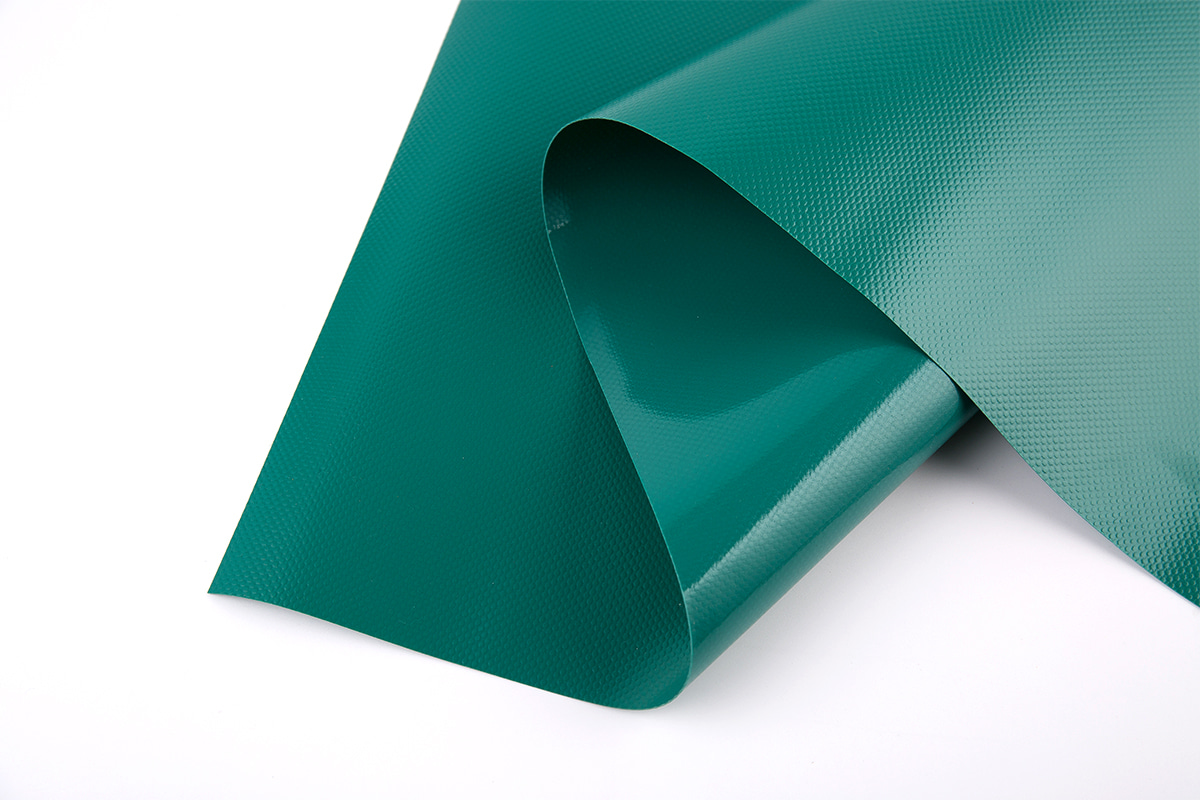
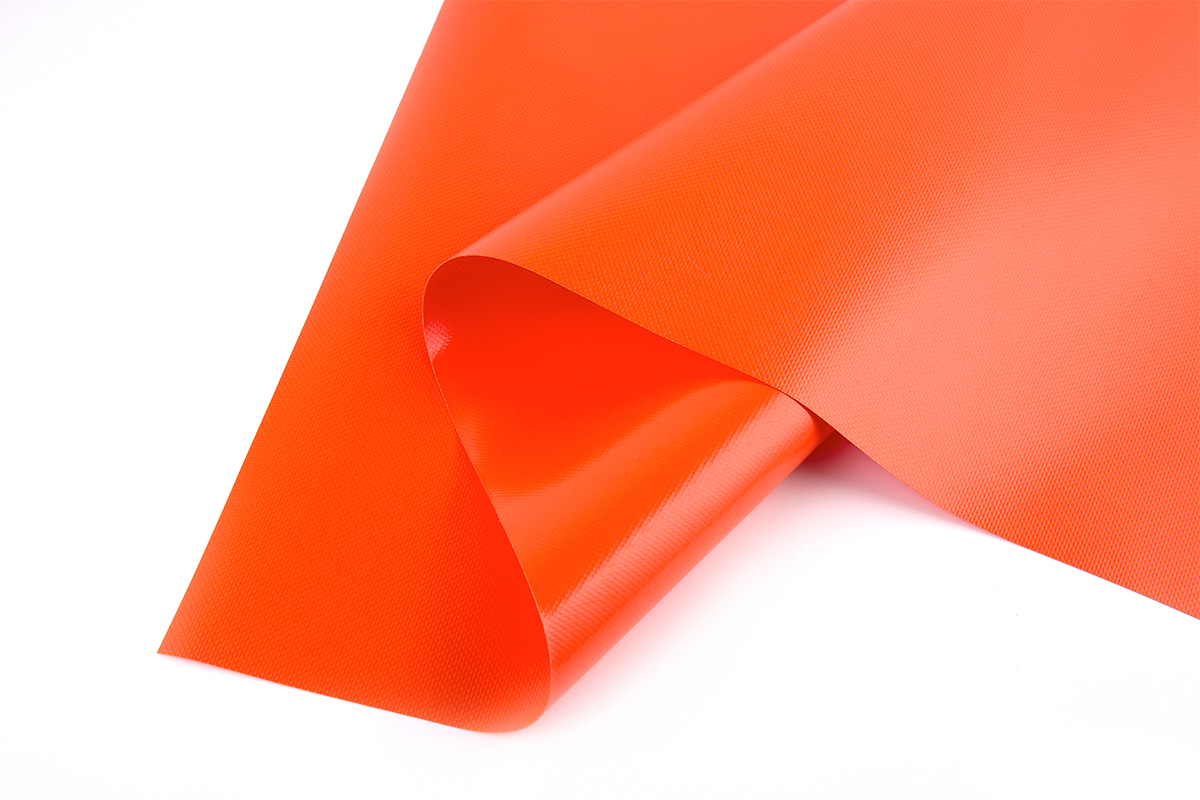
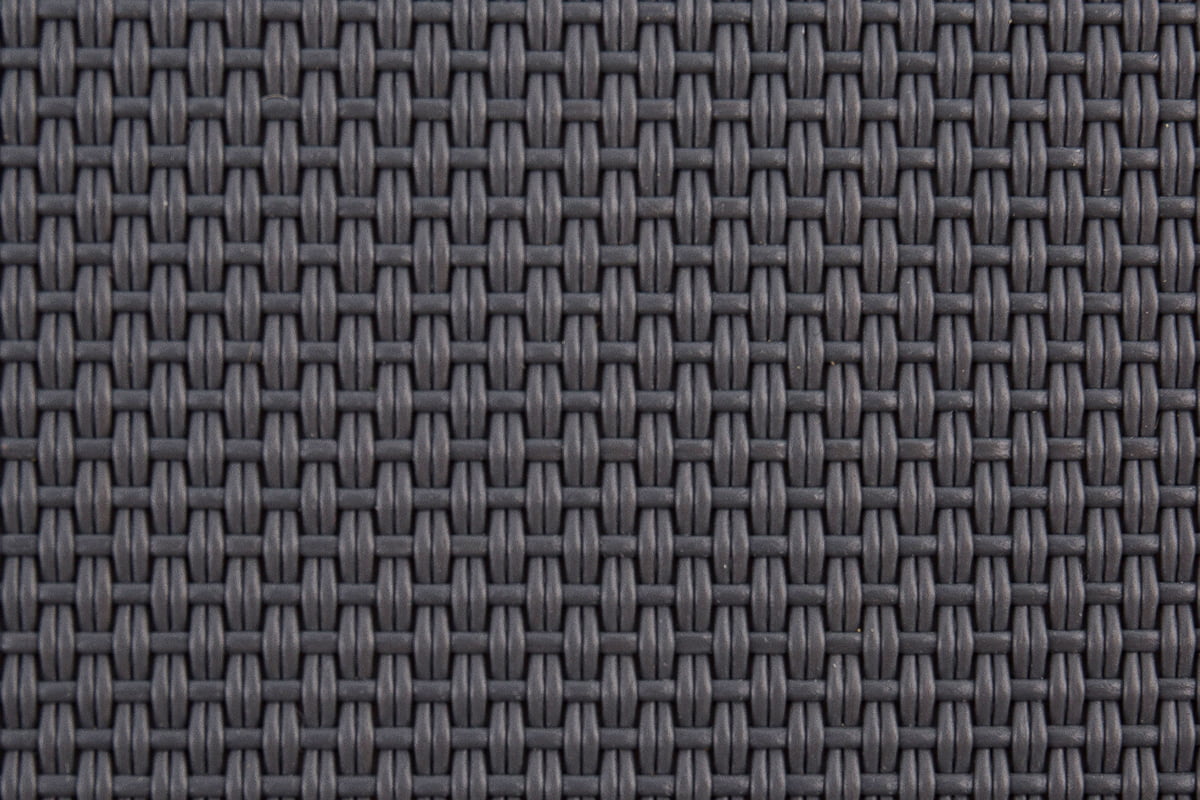
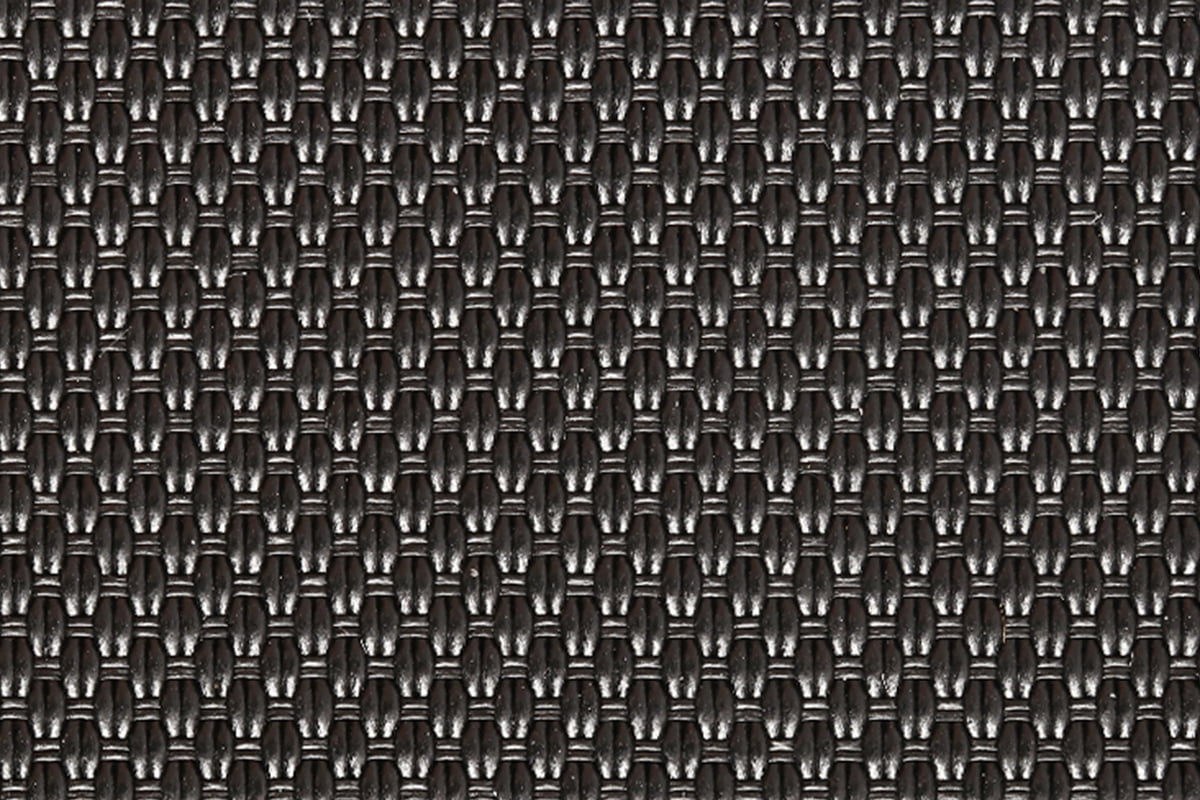
After weaving, the fabric typically undergoes a coating process. A PVC or similar coating is applied to improve weather resistance, UV protection, and dimensional stability. Some manufacturers include anti-static or anti-mold additives to enhance performance in outdoor or humid environments. The coating process requires careful control of temperature, viscosity, and curing time to ensure uniform coverage without affecting the mesh structure.
Cutting and Finishing
Once coated, the Solar Screen Mesh Fabric is cut to specified widths and lengths according to customer requirements. Edges are often heat-sealed or reinforced to prevent fraying during installation and long-term use. Additional finishing processes, such as lamination or custom color treatments, can be applied depending on client specifications. Manufacturers maintain strict tolerances to ensure consistency across large production batches.
Quality Control
Quality control is critical in the manufacturing of Solar Screen Mesh Fabric. Fabrics are inspected for uniformity in weave, coating consistency, tensile strength, and dimensional accuracy. Testing may include UV resistance, tear strength, and colorfastness to ensure that the final product meets industry standards. Defective materials are removed before packaging to prevent issues during installation.
Packaging and Distribution
After quality inspection, the fabric is rolled, labeled, and packed for shipping. Proper packaging prevents deformation or damage during transport. Manufacturers may provide custom roll lengths or protective coverings to suit shipping conditions and customer needs. Efficient packaging and handling contribute to maintaining the integrity of the Solar Screen Mesh Fabric until it reaches the installation site.
Manufacturing Flexibility
A professional manufacturer can produce Solar Screen Mesh Fabric in different densities, thicknesses, and colors. Flexibility in production allows adaptation to diverse project requirements, such as residential windows, commercial façades, or outdoor shading systems. Some factories also offer private-label solutions, combining customization with consistent industrial quality.
The manufacturing of Solar Screen Mesh Fabric involves careful material selection, precise weaving, coating, and strict quality control. Each step ensures that the fabric delivers durability, UV protection, and consistent performance across various applications. For businesses and distributors, understanding the manufacturing process provides confidence in the reliability of the product and its suitability for long-term industrial or commercial use. A well-managed production process guarantees that solar screen mesh fabric meets both functional and quality standards, supporting efficient building solutions and sustainable performance.
 NO 1-7 Songxi Road, Chengguan, Tiantai City, Zhejiang, China. Post Code:317200
 +86-13958505030
