
 en
en Español
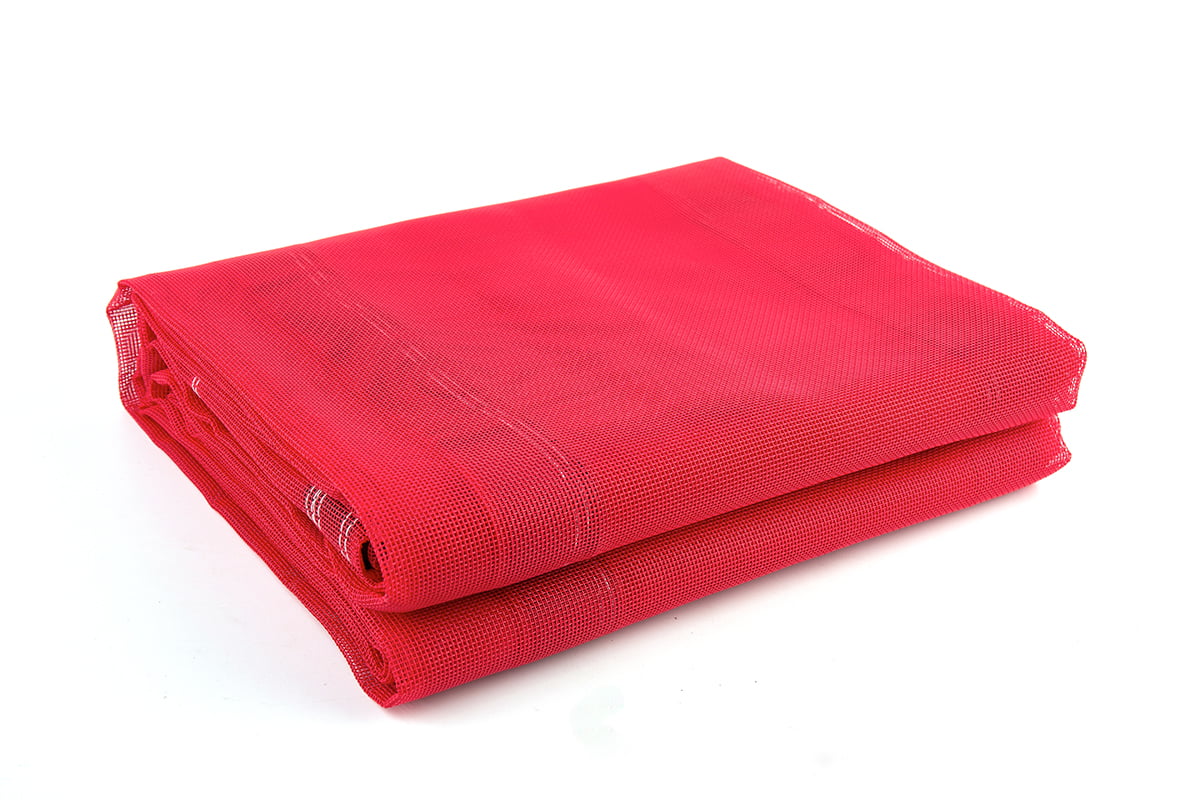
Modern buildings face increasing demands for energy efficiency. Large windows. Glass facades. Sun-exposed walls. Rising cooling costs. Without effective solar control, HVAC systems operate at big capacity. Solar screen mesh fabric delivers the performance required for these applications. It provides a durable, light-filtering barrier that reduces solar heat gain by up to 85%. It preserves outward visibility while blocking glare. It makes indoor spaces more comfortable and building energy costs significantly lower. This material is engineered for both functional and aesthetic performance.
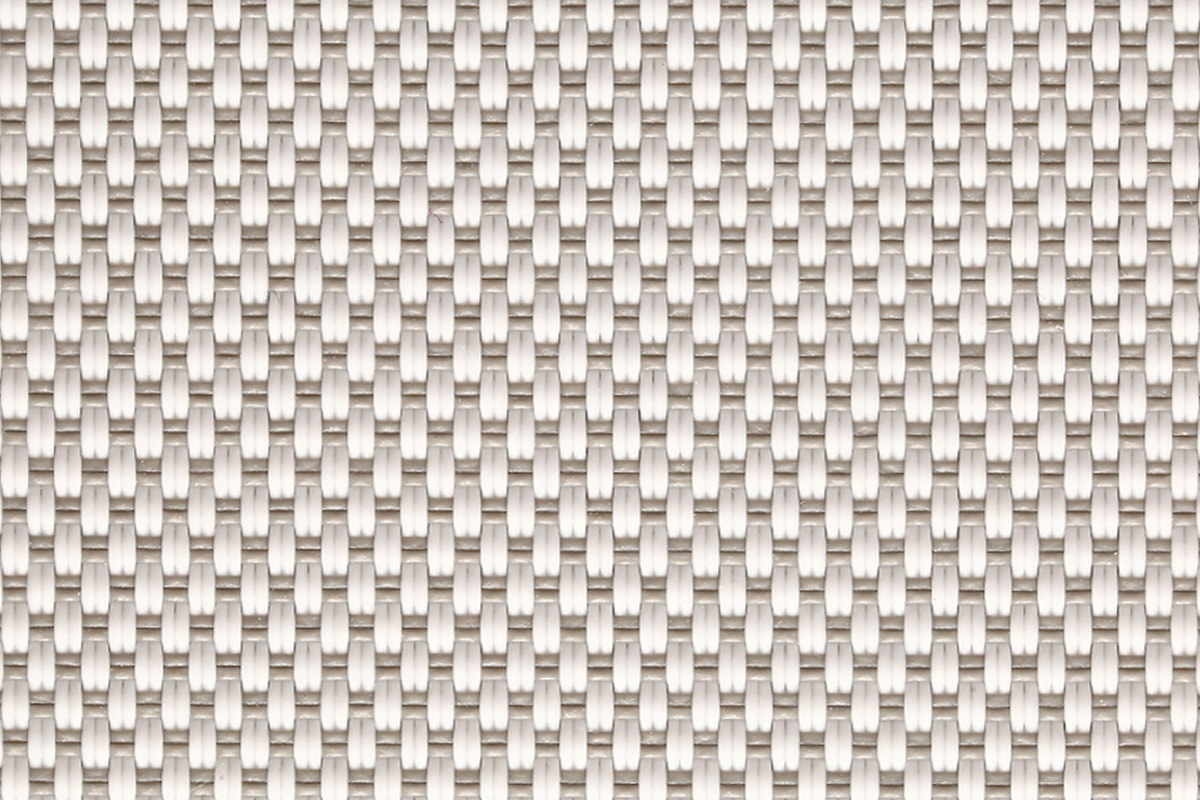
How Solar Screen Fabric Controls Heat
The fabric reflects and absorbs solar radiation before it enters the building
Solar heat enters through unprotected glass. Solar screen mesh fabric intercepts the sun's rays at the window surface. A portion of the thermal radiation is reflected outward, and a portion is absorbed. The absorbed heat is dissipated into the outside air. The interior stays cool. HVAC loads are reduced.
The weave density determines the shading coefficient
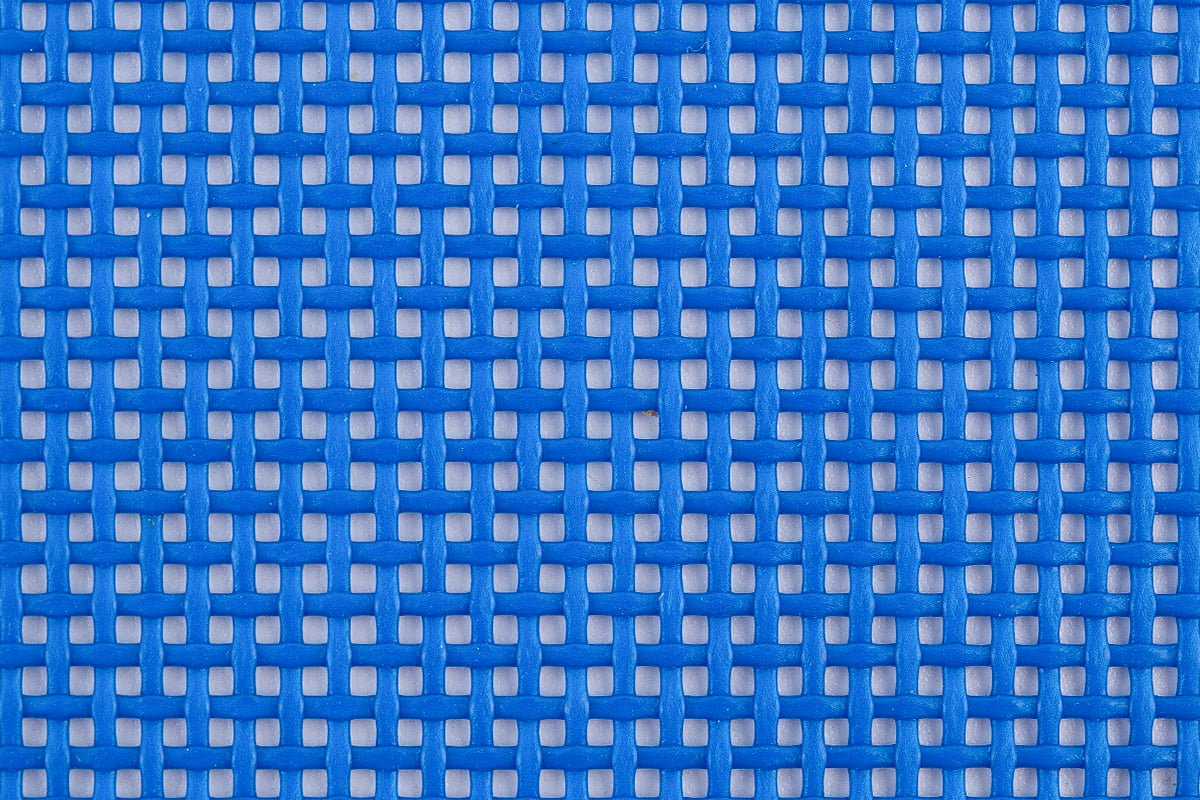
Different projects require different levels of solar control. Solar screen mesh fabric is available in openness factors ranging from 1% to 10%. Denser fabrics block more heat and light. More open fabrics allow better outward visibility. The solar heat gain coefficient is tailored for orientation and climate requirements. Energy performance is optimized.
The material acts as a glare control layer without blocking natural light
Excessive sunlight creates glare on screens and work surfaces. Solar screen mesh fabric diffuses incoming light. The interior remains bright enough for natural illumination. Workplaces remain productive. Sunlight is controlled.
Material Properties That Ensure Long Service Life
The yarns are UV-stabilized to prevent degradation
Extended sun exposure breaks down unprotected polymers. Solar screen mesh fabric is extruded with UV stabilizers throughout the core. The material maintains its tensile strength and appearance. Colour retains its richness. The fabric lasts for decades, even in harsh sunlight exposure.
The fabric resists stretching under tension
Screen fabrics installed in frames must remain taut. Solar screen mesh fabric uses dimensionally stable polymer yarns, such as fiberglass with PVC coating. The fabric does not sag over time. The appearance is consistent. The shading coefficient remains constant.
The weave is resistant to dirt and airborne particles
Screens accumulate dust in external applications. Solar screen mesh fabric has a non-adhesive surface that allows particles to pass through the weave openings. Rainwater assists in rinsing the surface. Cleaning intervals are reduced. Performance is maintained.
Where Solar Screen Mesh Fabric Is Installed
Commercial curtain wall facades and high-rise buildings
Urban buildings require consistent external appearance while also needing performance. Solar screen mesh fabric is mounted on aluminium frames in front of glass surfaces. The screen creates a sleek, uniform appearance while providing thermal control. The interior environment remains comfortable for office workers. Energy costs decrease substantially.
Residential window and patio shading
Homeowners want to reduce heat and improve comfort. Solar screen mesh fabric is used for exterior or interior roller shades. The screen allows a view of the garden but blocks heat. Rooms remain cooler. Air conditioning runs less frequently.
Skylight and atrium shading
Light that enters from above creates heat build-up. Solar screen mesh fabric is installed beneath or above skylights. The screen reduces glare and excess heat. The space remains bright but not hot. Natural daylight is preserved.
Educational and healthcare facilities
Schools and clinics need comfortable environments for occupants. Solar screen mesh fabric provides consistent light quality. The screen reduces solar heat gain on south-facing and west-facing rooms. HVAC loads are balanced. Learning and recovery environments are improved.
Selection Criteria for Solar Screen Mesh
Openness factor must be matched to the building orientation
South-facing facades receive more direct sun exposure. Solar screen mesh fabric should have lower openness values to control heat. North-facing elevations require less screening. The orientation affects the selection. The performance is optimized.
The colour affects both interior brightness and outward visibility
Light-coloured screens reflect heat outward, while dark screens absorb and dissipate heat. Solar screen mesh fabric is chosen for interior brightness preference and aesthetic treatment. Grey and black are standard for commercial applications. The view through the screen is clear.
Tensile strength must handle wind load on exterior installations
Exterior screens are exposed to wind pressure. Solar screen mesh fabric should have sufficient breaking strength for the installed area. The frame system is also designed for the same loads. The screen remains secure. The installation is safe.
Fire safety compliance must be confirmed
Public buildings require certified materials. Solar screen mesh fabric is available with Class A or Class 1 fire ratings. The material meets building code requirements. The approval process is straightforward.
Standard specifications for solar screen mesh fabric:
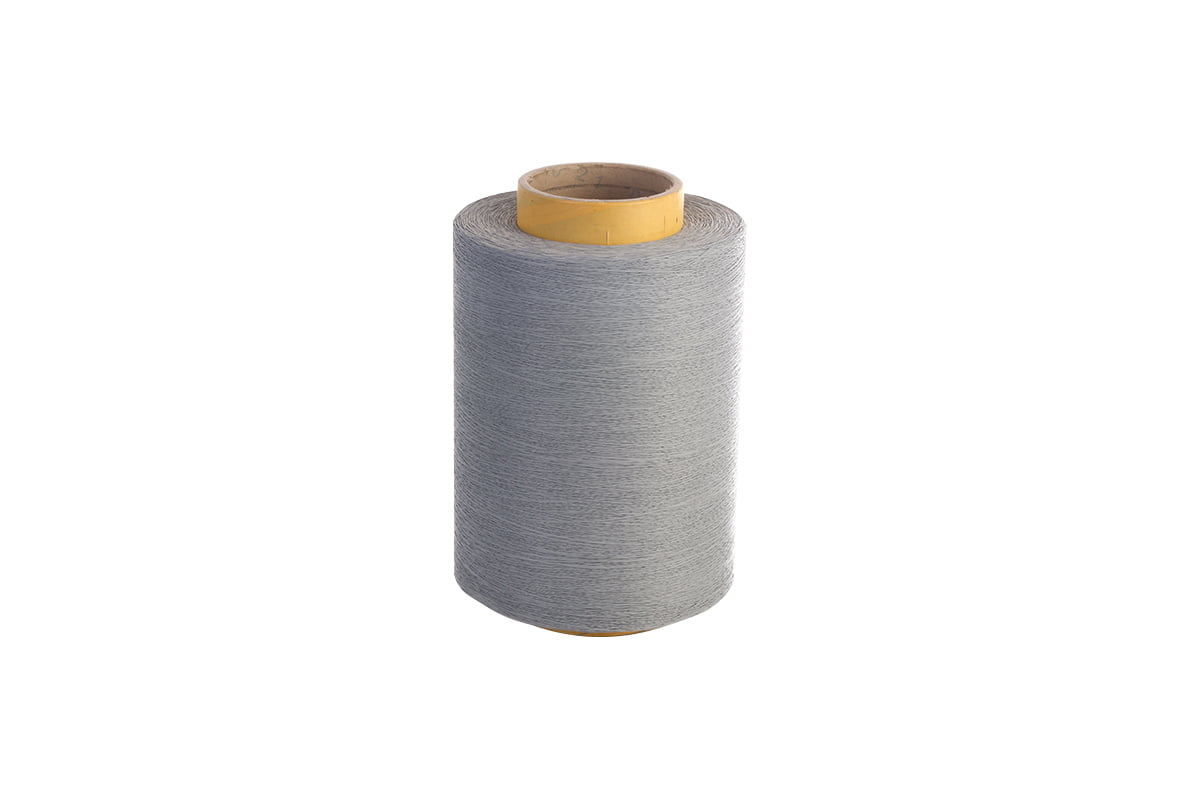
- Yarn composition: PVC-coated fibreglass or polyester
- Openness factor: 1%, 3%, 5%, 8%, 10%
- Solar heat gain coefficient: 0.10 to 0.30
- Glare reduction: up to 90%
- UV transmittance: under 0.1%
- Tensile strength: high, suitable for rigid frame tensioning
- Temperature range: -30°C to +75°C
- Width: up to 3.6 metres
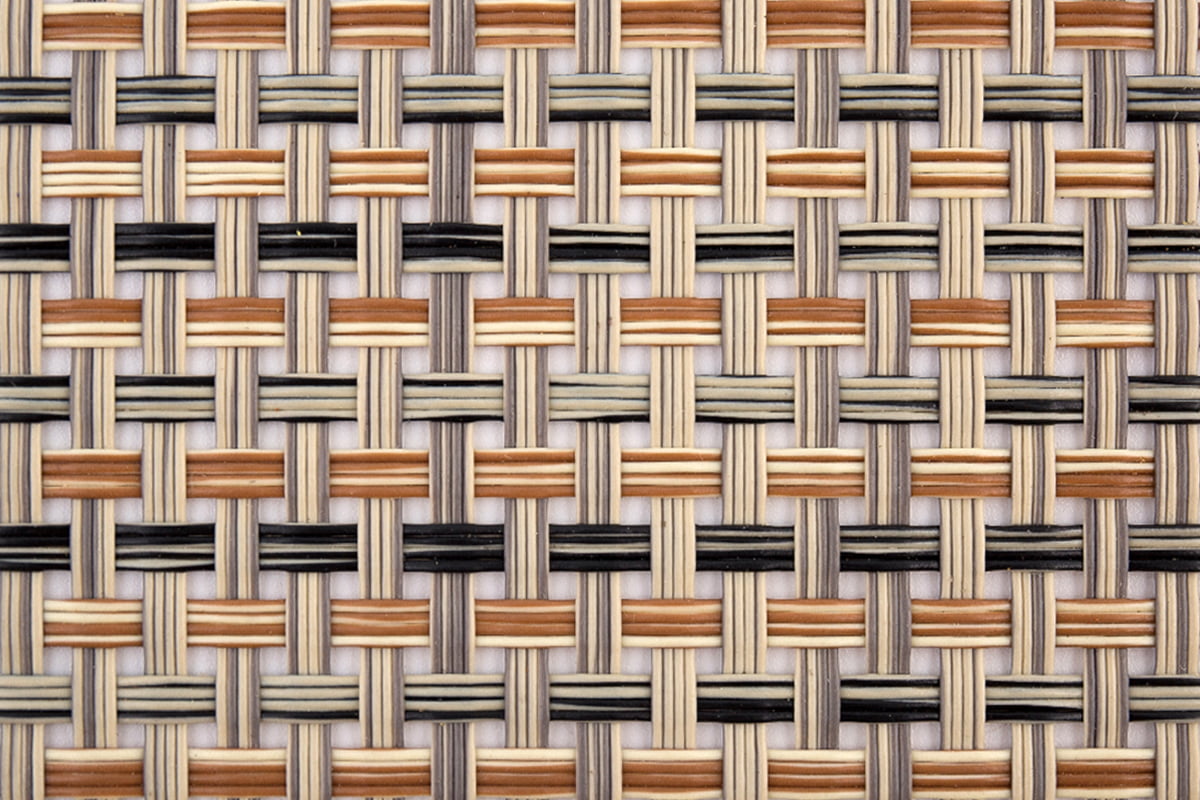
- Colors: grey, black, charcoal, beige, and custom
Solar screen mesh fabric is a key component of the building envelope. But it determines whether a building operates efficiently or consumes excessive energy for cooling. It decides whether occupants experience visual comfort or suffer from glare and heat. Choose a screen with the correct openness, stable materials, appropriate colour, and verified fire safety. Your buildings will be energy-efficient. Your occupants will be comfortable. That is the purpose of solar screen mesh fabric. To make buildings sustainable and comfortable for occupants and owners.

 NO 1-7 Songxi Road, Chengguan, Tiantai City, Zhejiang, China. Post Code:317200
 +86-13958505030
