
 en
en Español
Polyester yarn is strong. High tensile strength. Low stretch. Resists rot and mildew. But polyester on its own has a problem. Abrasion wears it down. UV light breaks it down over time. A PVC coated polyester yarn solves both issues. The polyester core carries the load. The PVC jacket protects the core from everything else. The combination shows up in applications where uncoated yarn would fail within months — outdoor fabrics, industrial webbing, agricultural netting, and marine ropes.
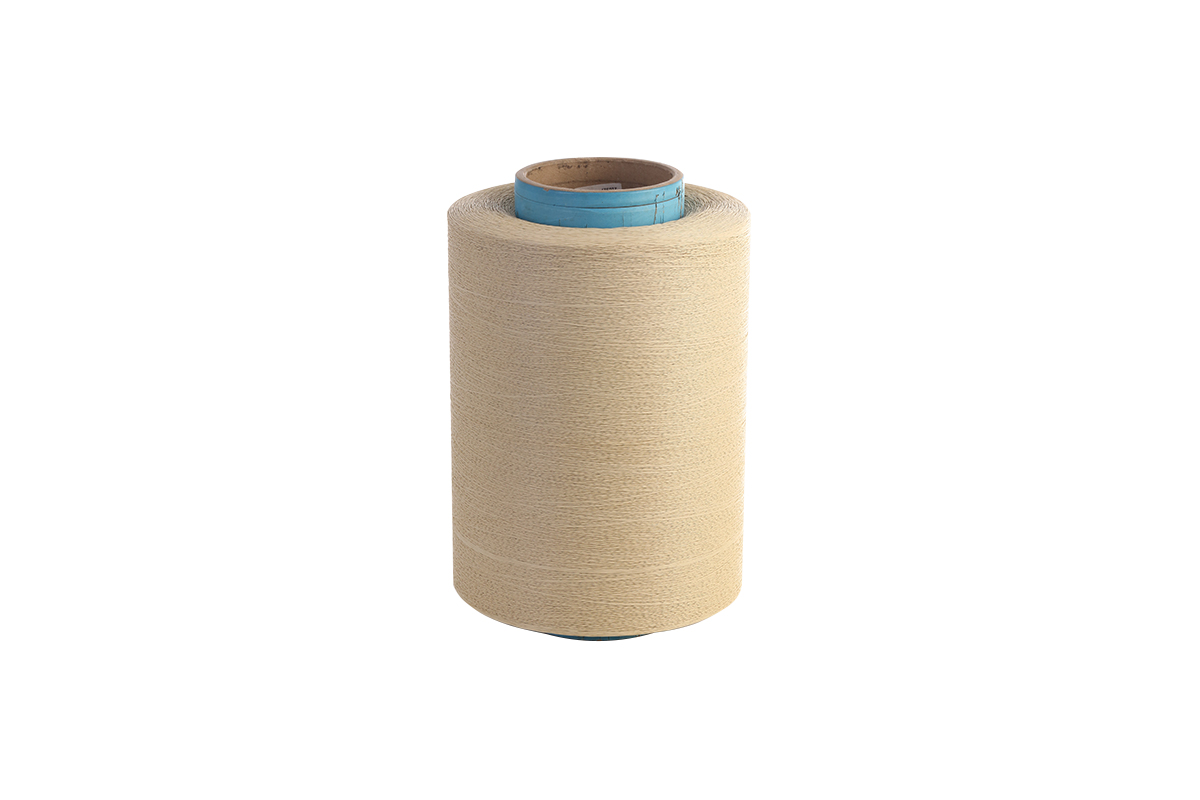
What PVC Coated Polyester Yarn Is
Two materials, one yarn
A PVC coated polyester yarn starts as a twisted or braided polyester core. The core provides the strength. PVC coating is applied over the core through an extrusion or dip process. The coating bonds to the polyester without adhesive. The result is a single yarn with two distinct layers.
The polyester core can be high-tenacity or standard. High-tenacity polyester has higher strength-to-weight ratio but costs more. Standard polyester is cheaper and still strong enough for many applications.
Coating thickness and finish
Coating thickness varies. A PVC coated polyester yarn for heavy abrasion applications might have coating as thick as the core itself. For lighter applications, a thin, smooth coating works fine.
- UV resistance — PVC blocks sunlight that degrades polyester
- Abrasion resistance — the coating takes the wear, not the core
- Chemical resistance — PVC resists oils, fuels, and many acids
- Color options — coating can be any color; uncoated polyester is usually white
The coating finish can be smooth or textured. Smooth finish is easier to clean. Textured finish provides better grip for handling or knotting.
How It Gets Made
Extrusion coating process
The common method for PVC coated polyester yarn is extrusion. The polyester yarn passes through a crosshead die. Molten PVC flows around the yarn as it moves through the die. The coating bonds to the polyester as both materials cool.
The extrusion line runs at controlled speeds. Too fast, and the coating is thin or incomplete. Too slow, and the coating is too thick — waste of material. The manufacturer monitors coating weight continuously.
Dip coating for specialty applications
Some PVC coated polyester yarn uses dip coating. The yarn passes through a bath of liquid PVC plastisol. The coated yarn then passes through a heated oven. Heat cures the PVC into a solid coating. Dip coating allows thicker coatings and more control over surface texture, but it is slower than extrusion.
What Goes Wrong with Low-Quality Yarn
Coating delamination
The bond between PVC and polyester matters. Cheap PVC coated polyester yarn has poor bonding. The coating peels off the core during flexing or abrasion. Once the coating is gone, the polyester core is exposed and starts to wear.
Good manufacturers control extrusion temperature precisely. Too hot, and the PVC degrades before it bonds. Too cold, and the PVC solidifies before bonding. The right temperature creates a chemical bond between the materials.
Poor UV stability
PVC itself degrades in sunlight unless UV stabilizers are added. Cheap PVC coated polyester yarn uses little or no UV stabilizer. The coating cracks and powders after a few months outdoors. The core then fails from UV exposure.
Selecting the Right Yarn
Match coating to application
Heavy wear needs thicker coating. Tie-down straps and lifting slings see constant abrasion. Shade cloth and agricultural netting see less abrasion but need UV protection. For marine applications, saltwater resistance matters as much as UV protection.
Color and strength requirements
Black has the outstanding UV resistance because carbon black blocks sunlight. White reflects heat but shows dirt. Other colors are available but may have shorter UV life. The polyester core determines strength. Specify core strength separately from finished yarn diameter.
A Tough Yarn for Tough Jobs
PVC coated polyester yarn is not the strongest yarn available. It is not the cheap. But for applications where sun, abrasion, or chemicals kill other yarns, it is the right choice. The polyester core provides strength. The PVC coating provides protection. Together, they make a product that keeps working when uncoated yarn would fail.
 NO 1-7 Songxi Road, Chengguan, Tiantai City, Zhejiang, China. Post Code:317200
 +86-13958505030
