
 en
en Español
In modern architecture and interior design, managing sunlight has become an important consideration. Solar Screen Mesh Fabric offers a simple yet effective way to balance natural light, heat reduction, and visibility. Used in both residential and commercial spaces, this material helps create comfortable indoor environments without completely blocking outdoor views.
What Is Solar Screen Mesh Fabric?
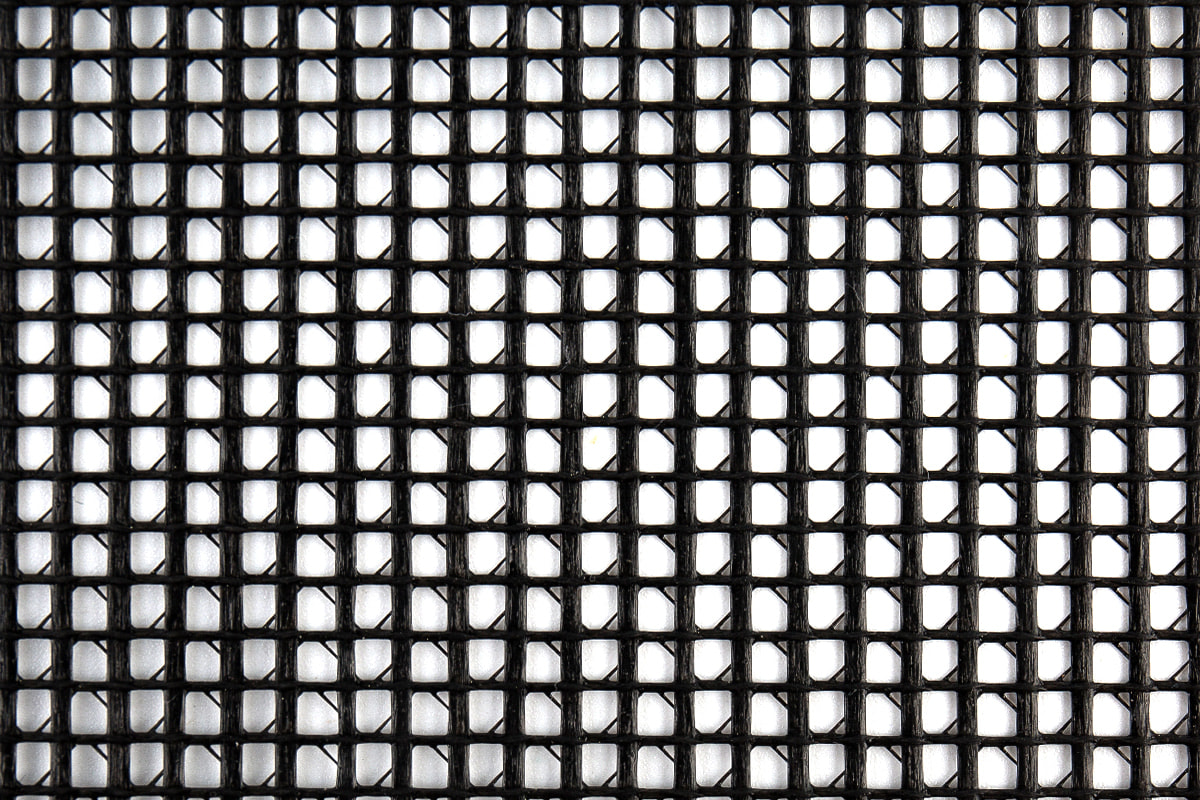
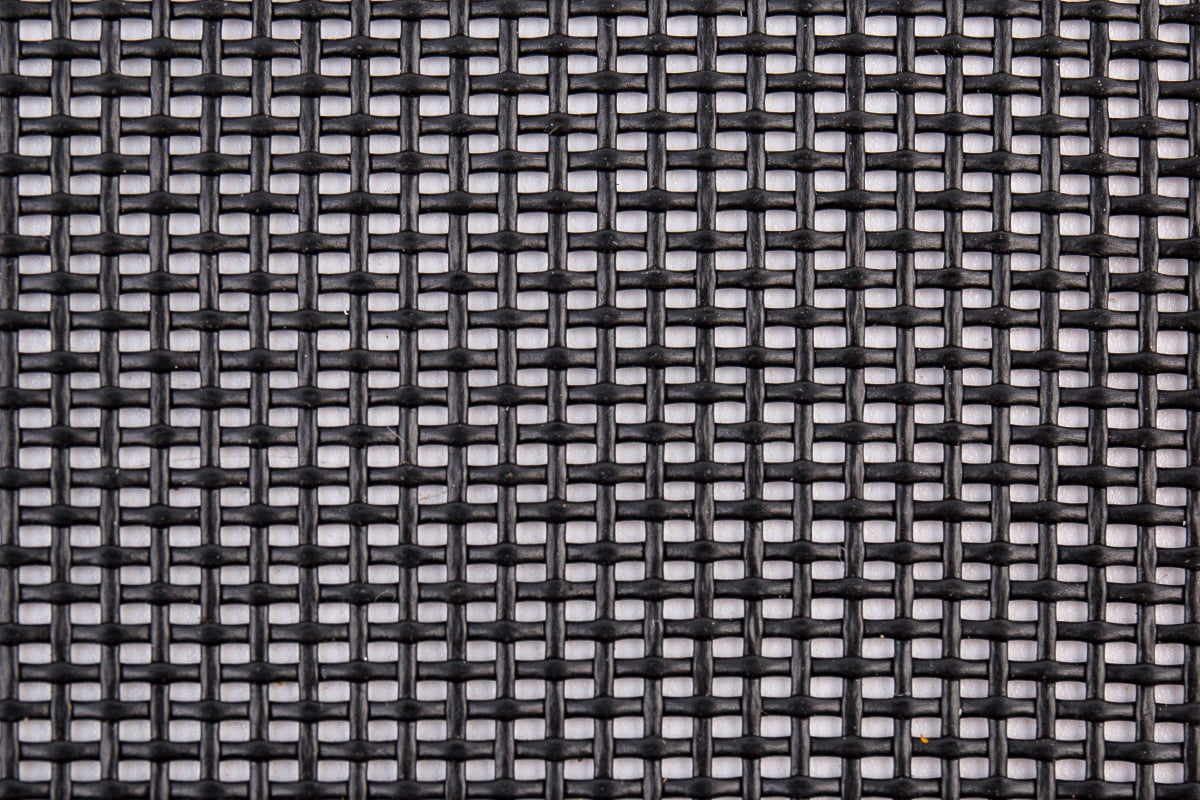
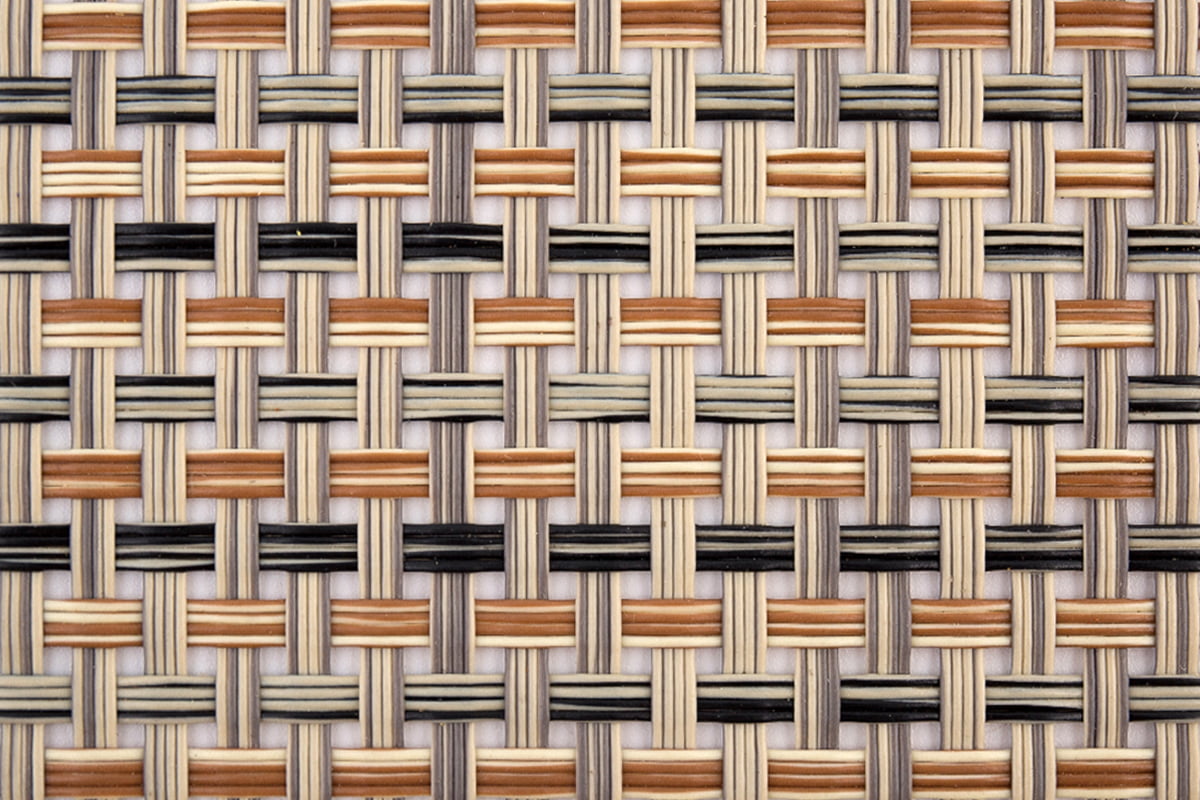
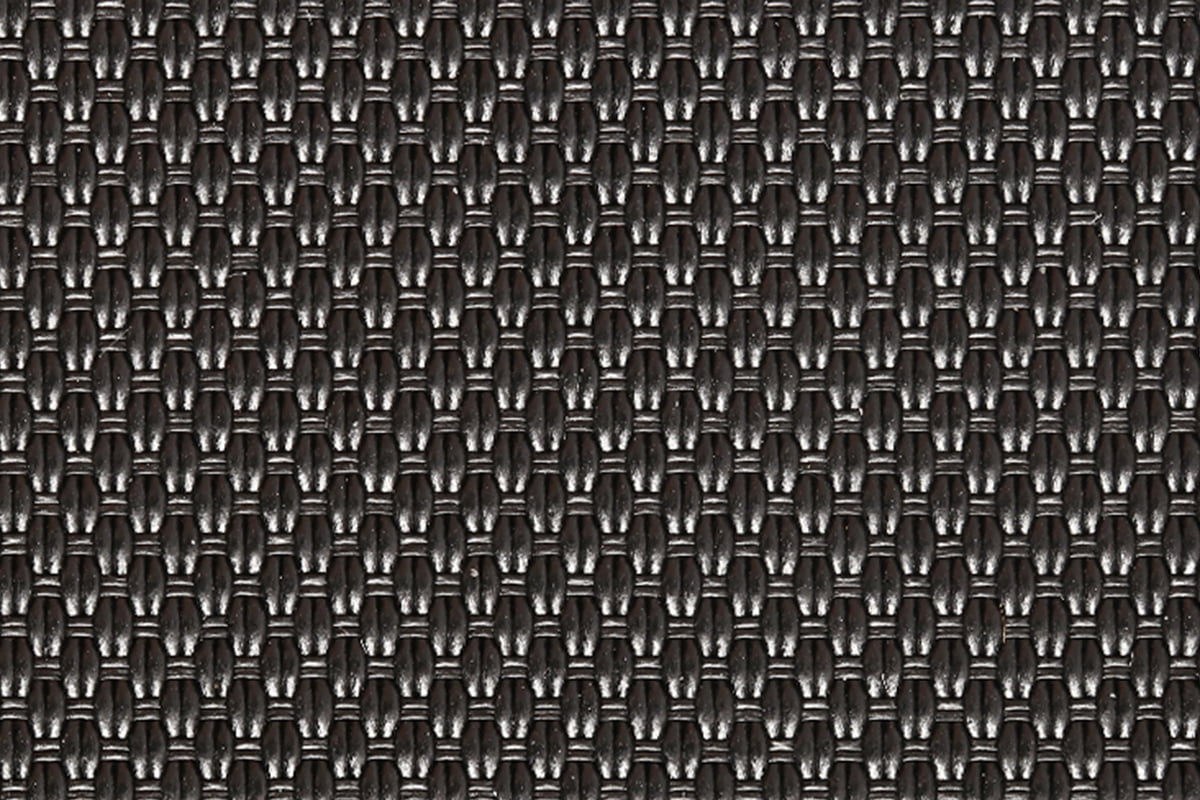
Solar Screen Mesh Fabric is a specially woven material designed to filter sunlight while allowing airflow and visibility. It is commonly made from polyester or fiberglass yarns coated with protective layers to improve durability. The fabric's structure includes small openings that determine how much light and heat can pass through.
Different openness levels, often expressed as percentages, allow users to choose how much visibility and shading they need. A lower openness factor blocks more sunlight, while a higher one allows clearer outside views. This flexibility makes the fabric suitable for various applications, from window shades to outdoor screens.
Benefits of Solar Screen Mesh Fabric
- Light Control – The fabric reduces glare while still letting in natural light, creating a comfortable indoor atmosphere.
- Heat Reduction – By limiting the amount of solar heat entering a space, it helps maintain stable indoor temperatures.
- Energy Savings – Reduced heat gain can lower the need for air conditioning, contributing to energy efficiency.
- Privacy with Visibility – During the day, users can see outside while limiting visibility from the exterior.
For both homeowners and businesses, these benefits make Solar Screen Mesh Fabric a practical choice for improving indoor comfort without relying heavily on artificial lighting or cooling systems.
Choosing the Right Solar Screen Mesh Fabric
Selecting the right Solar Screen Mesh Fabric involves several considerations:
- Openness Factor: Lower percentages provide more shading and privacy, while higher percentages allow more light and clearer views.
- Color: Darker colors often improve outward visibility, while lighter colors reflect more sunlight.
- Material Type: Fiberglass fabrics tend to offer stability, while polyester options may provide more flexibility.
- Application Area: Indoor blinds, outdoor shades, or large façade installations may require different specifications.
Understanding these factors helps ensure the fabric meets both functional and aesthetic needs.
Applications in Modern Spaces
Solar Screen Mesh Fabric is widely used across different environments:
- Residential Homes – Installed as roller shades or window screens to improve comfort in living spaces.
- Office Buildings – Helps reduce glare on screens and creates a more comfortable working environment.
- Commercial Spaces – Used in storefronts or restaurants to manage sunlight while maintaining visibility.
- Outdoor Areas – Applied in patios, pergolas, or balconies to provide shade without blocking airflow.
Its adaptability allows designers and builders to integrate the fabric into various settings without major structural changes.
Maintenance and Durability
Maintaining Solar Screen Mesh Fabric is relatively simple. Regular dusting or light cleaning with mild soap and water helps keep it in good condition. The coated surface resists fading and wear, making it suitable for long-term use in both indoor and outdoor environments.
Durability also depends on proper installation and usage. Avoiding excessive tension and ensuring correct mounting can extend the fabric's lifespan. With minimal care, the material continues to perform effectively over time.
Solar Screen Mesh Fabric offers a balanced solution for managing sunlight, heat, and visibility in modern spaces. Its ability to filter light while maintaining airflow and outward views makes it a versatile option for a wide range of applications.
By selecting the appropriate openness, material, and color, users can create comfortable environments that support both functionality and design preferences. Whether used in homes, offices, or outdoor settings, Solar Screen Mesh Fabric provides a practical approach to improving indoor comfort and energy efficiency without adding unnecessary complexity.
 NO 1-7 Songxi Road, Chengguan, Tiantai City, Zhejiang, China. Post Code:317200
 +86-13958505030
