
 en
en Español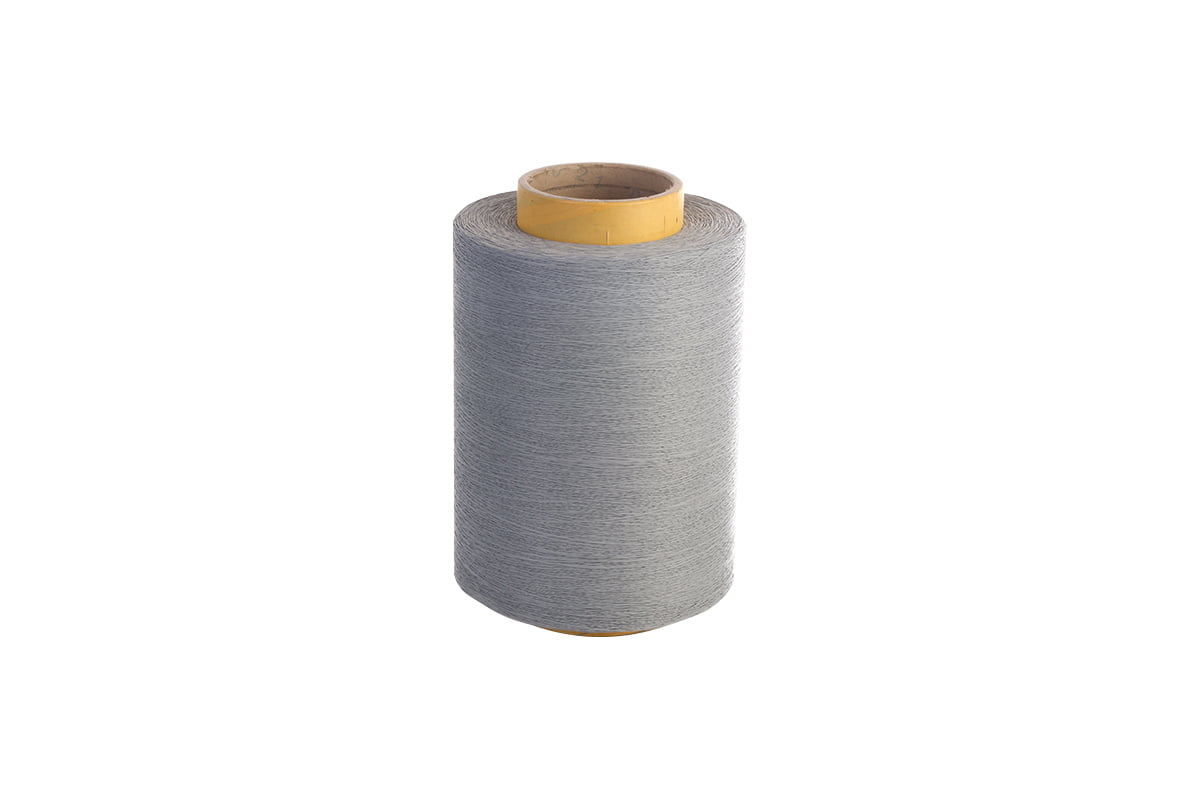
In many industrial and commercial applications, materials need to balance strength, flexibility, and resistance to environmental factors. PVC Coated Polyester Yarn has become a widely used solution for such requirements. By combining the structural stability of polyester with the protective qualities of PVC, this material offers a reliable option for products exposed to outdoor or demanding conditions.
Manufacturers often select this type of yarn when durability and adaptability are both important. From industrial fabrics to outdoor equipment, the material supports consistent performance across different use cases.
Material Structure and Properties
PVC Coated Polyester Yarn is made by coating polyester fibers with a layer of polyvinyl chloride (PVC). This process enhances the base material by adding resistance to moisture, UV exposure, and abrasion.
The polyester core provides tensile strength, while the PVC coating adds flexibility and protection. This combination makes the yarn suitable for weaving, knitting, or reinforcing various types of fabrics. It also allows the material to maintain its shape under repeated use, which is important for long-term applications.
Common Applications
One of the reasons PVC Coated Polyester Yarn is widely used is its versatility. It can be found in a variety of products across different industries:
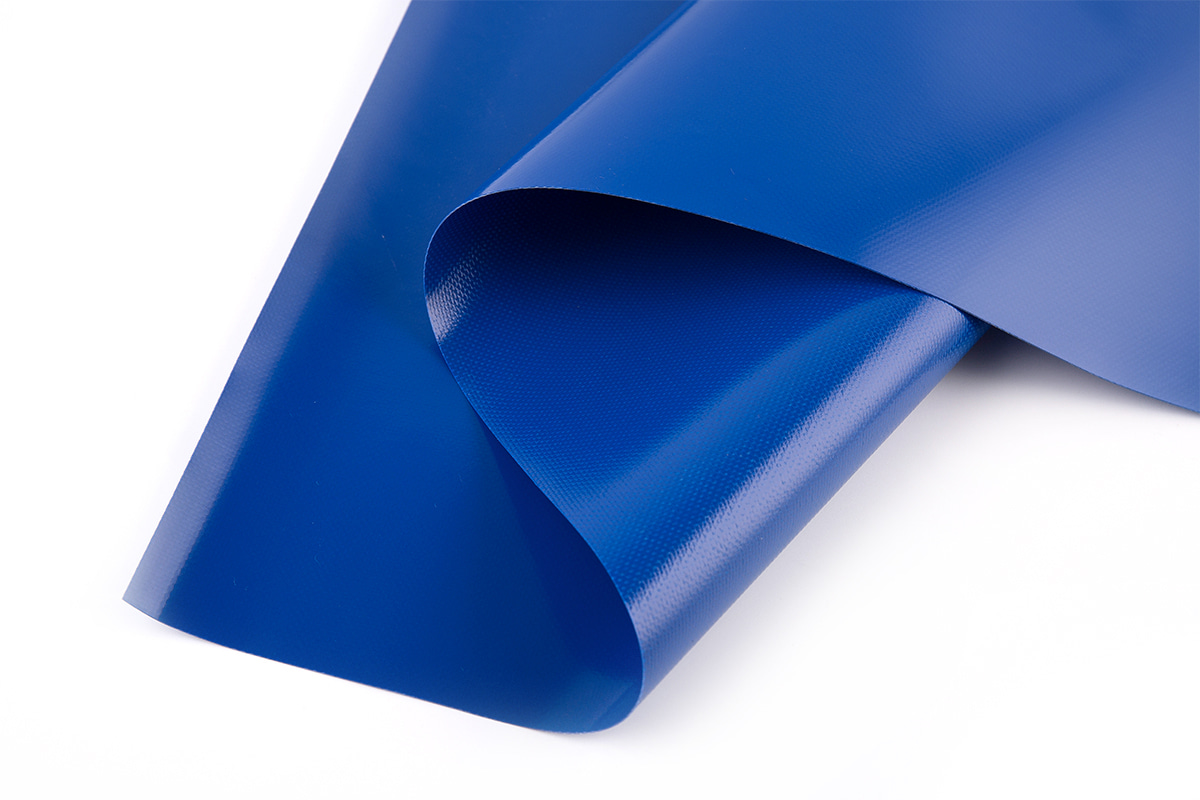
- Outdoor Fabrics: Used in tents, awnings, and covers that need weather resistance.
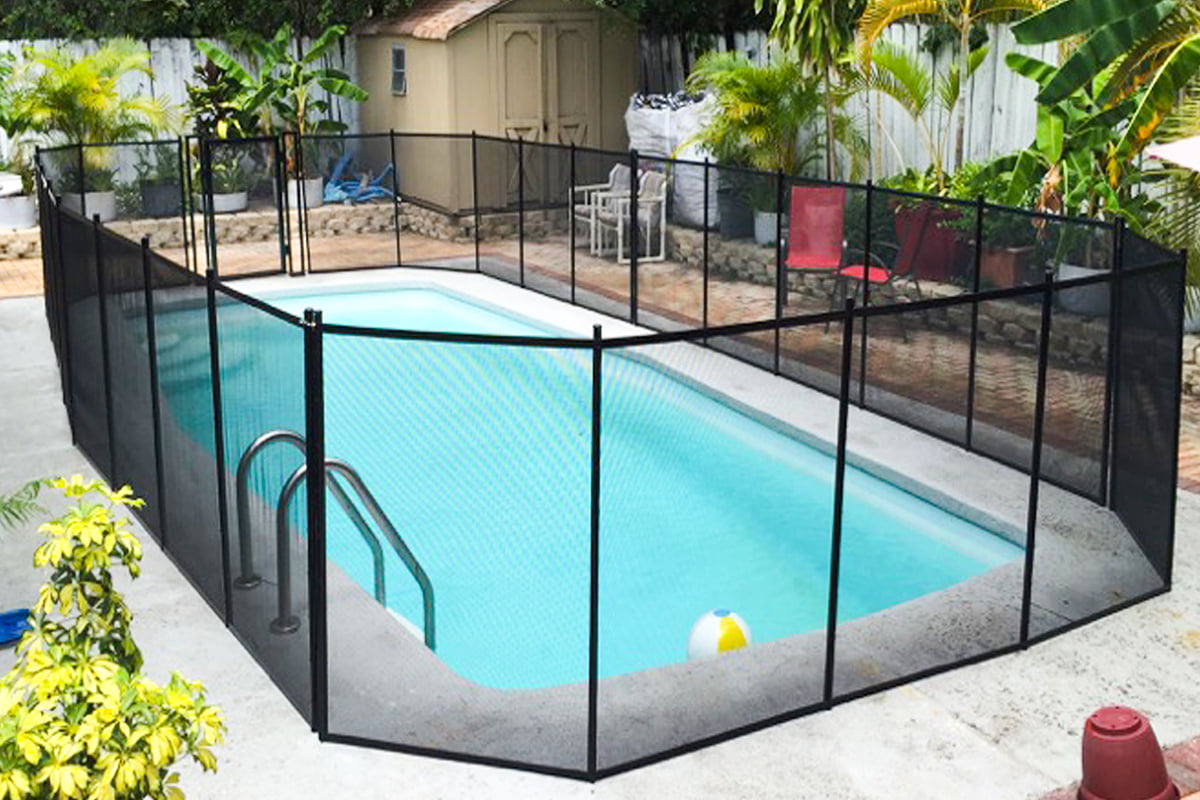
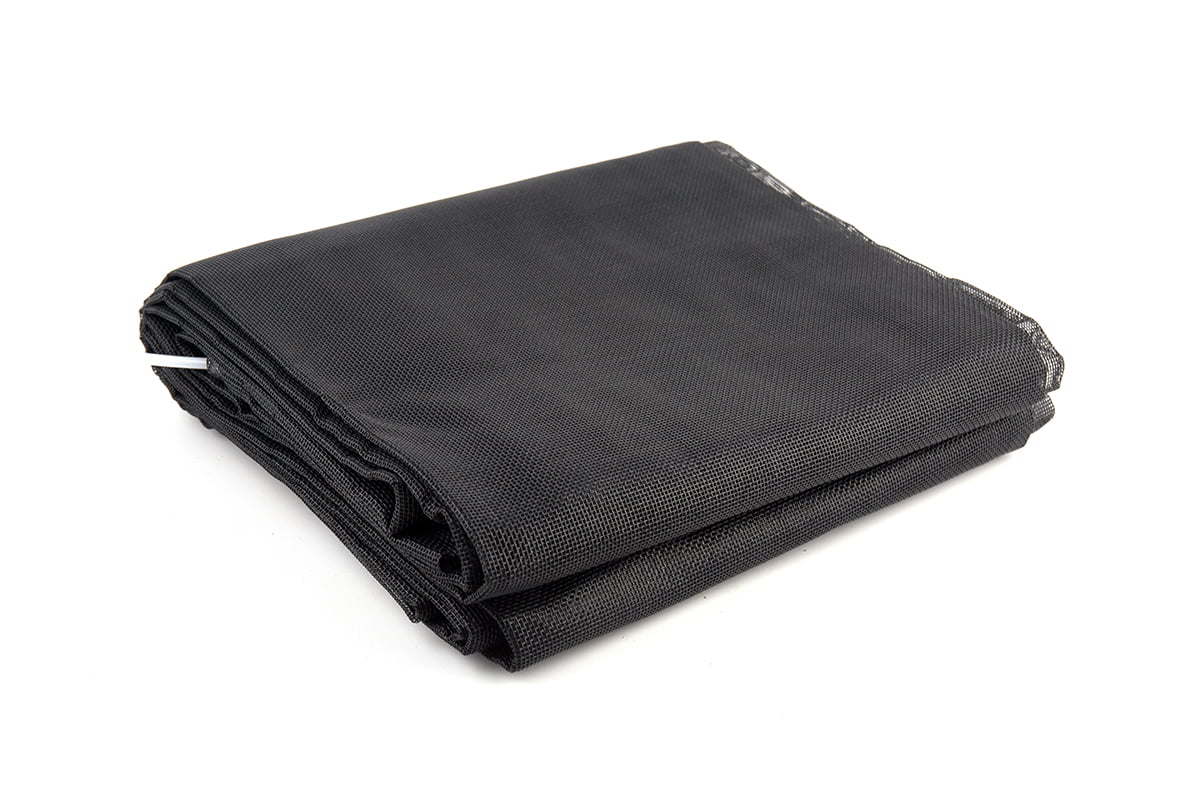
- Industrial Mesh and Screens: Provides durability for construction or agricultural use.
- Protective Gear: Applied in gloves, safety nets, and coated textiles.
These applications require materials that can handle changing environments without losing performance, making coated yarn a practical choice.
Advantages for Manufacturers
Using PVC Coated Polyester Yarn offers several benefits for manufacturers. First, it simplifies material selection by combining multiple properties into one product. Instead of layering different materials, manufacturers can rely on a single coated yarn to achieve both strength and protection.
Second, it supports efficient production processes. The yarn can be easily integrated into existing textile manufacturing systems, reducing the need for additional adjustments. This helps maintain steady production flow and consistent output quality.
Considerations in Production
When working with PVC Coated Polyester Yarn, manufacturers should consider factors such as coating thickness, flexibility, and intended application. Thicker coatings may provide more protection but can affect flexibility, while thinner coatings allow for lighter, more flexible fabrics.
Color options and surface finishes are also important, especially for products intended for consumer markets. Customization in these areas can help businesses meet specific design or branding requirements.
Maintenance and Longevity
Products made from PVC coated yarn are generally easy to maintain. They can be cleaned with simple methods and are resistant to common environmental factors such as moisture and dirt. This reduces maintenance efforts for end users and extends the product's usable life.
For manufacturers, this durability translates into fewer product returns and better long-term customer satisfaction.
PVC Coated Polyester Yarn provides a balanced combination of strength, flexibility, and environmental resistance. Its adaptability across industries, ease of production, and long-term durability make it a practical material for a wide range of applications. By selecting the appropriate specifications and maintaining quality standards, manufacturers can use this material to create products that perform reliably in both indoor and outdoor settings.
 NO 1-7 Songxi Road, Chengguan, Tiantai City, Zhejiang, China. Post Code:317200
 +86-13958505030
