
 en
en Español
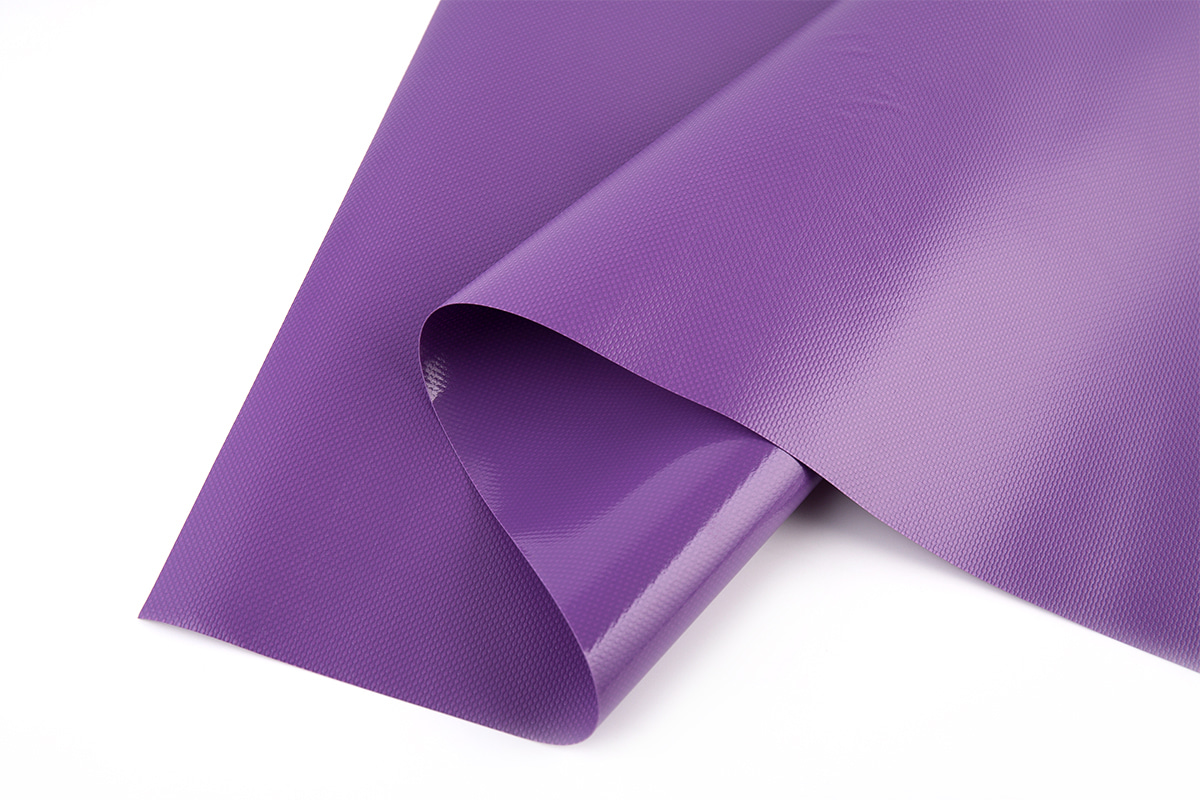
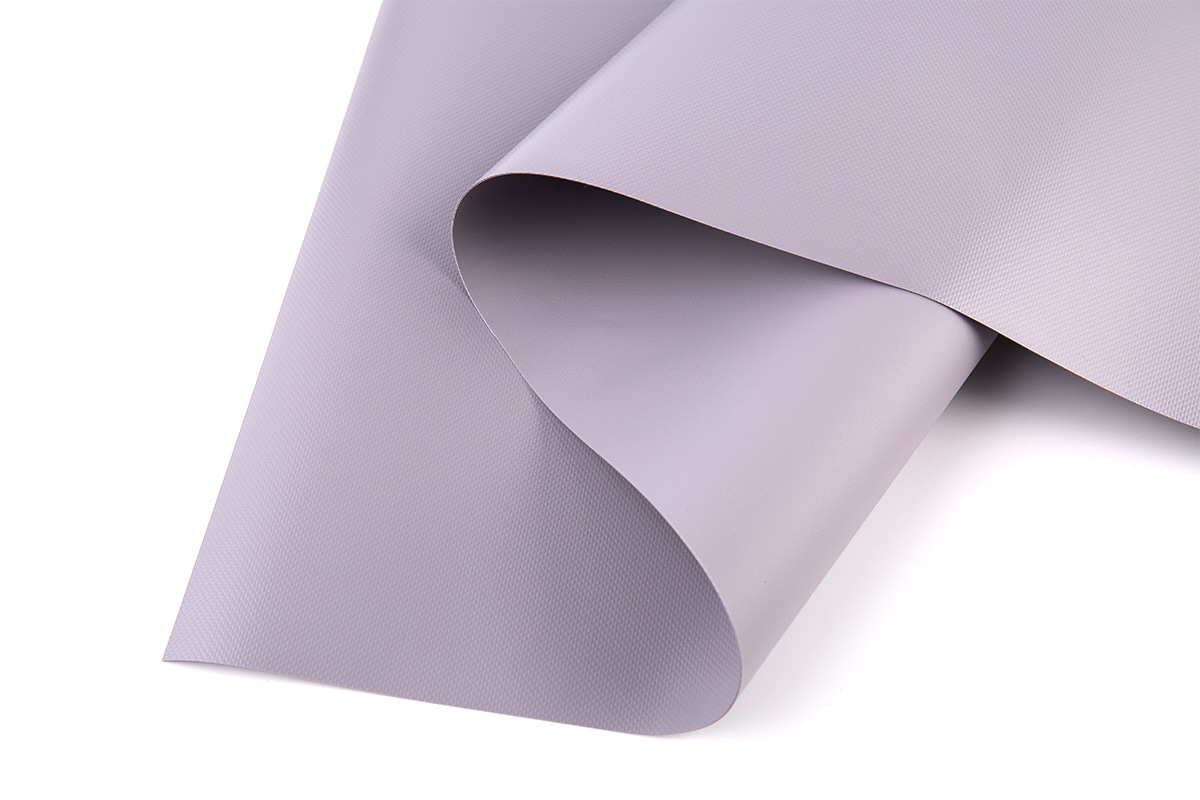
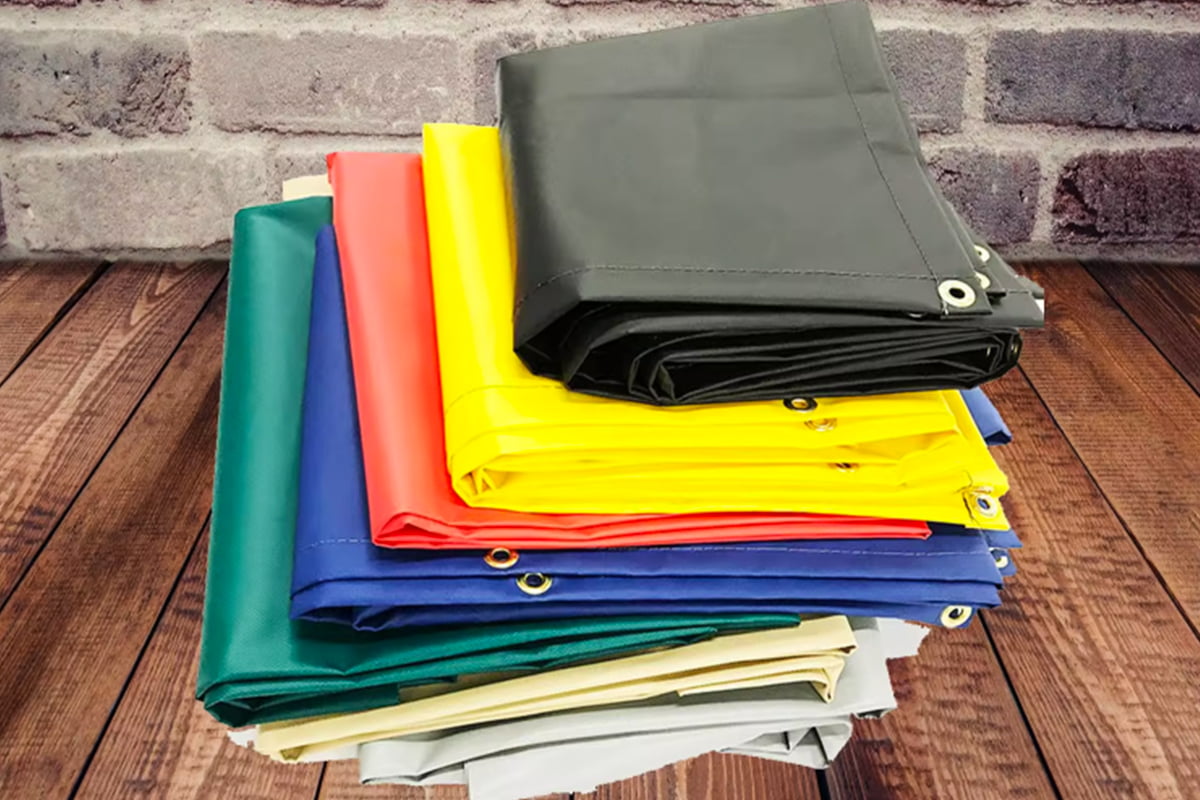
Look at any patio furniture, truck tarp, or construction fence. That woven grid you see isn't canvas, isn't metal—it's vinyl mesh. It sheds rain, blocks UV, and flexes without cracking. Behind every roll stands a vinyl woven mesh fabric factory, a facility that turns PVC resin into durable, breathable fabric used everywhere from backyards to job sites.
What Makes Vinyl Mesh Different
It's PVC yarn, woven and coated
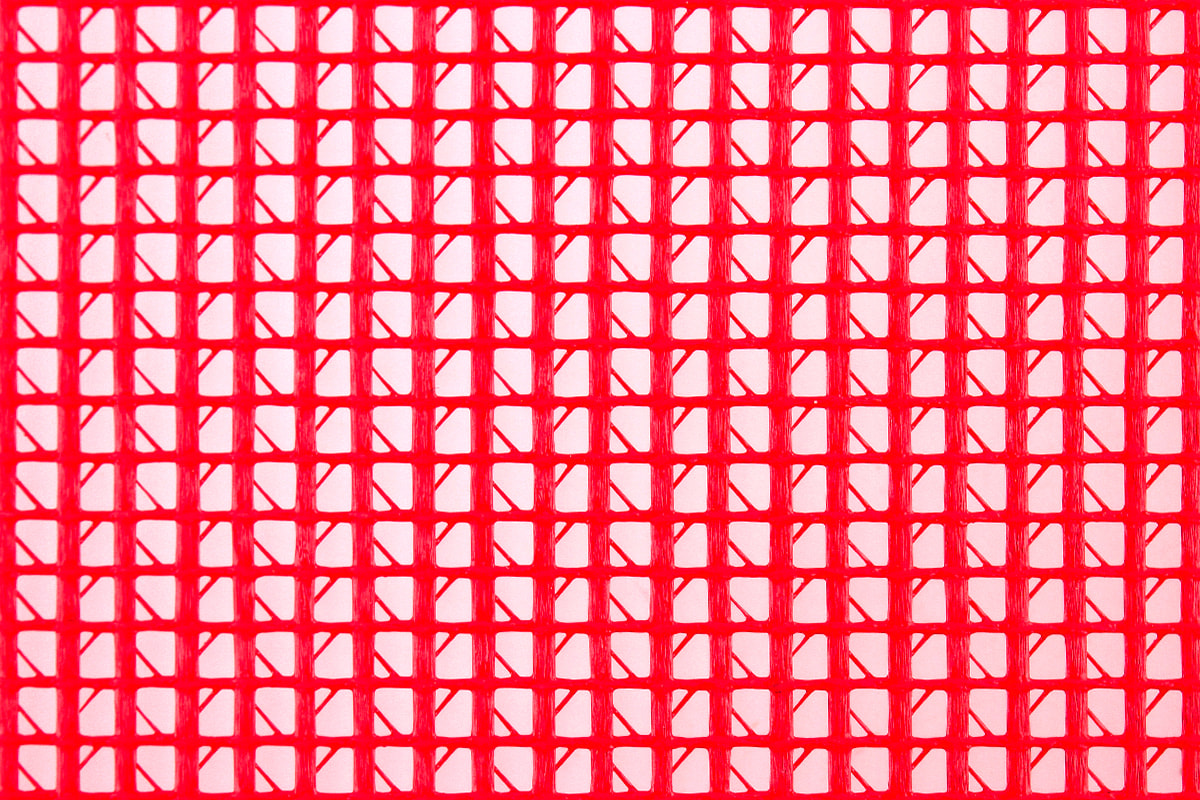
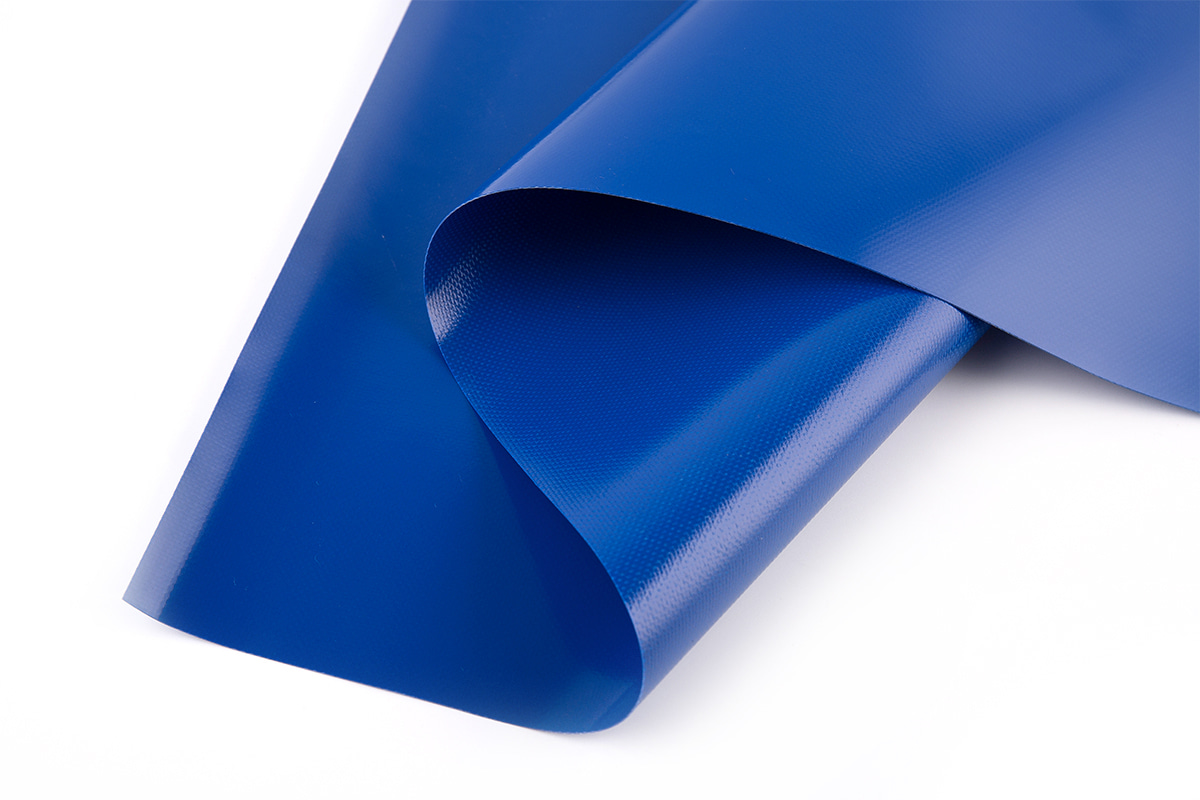
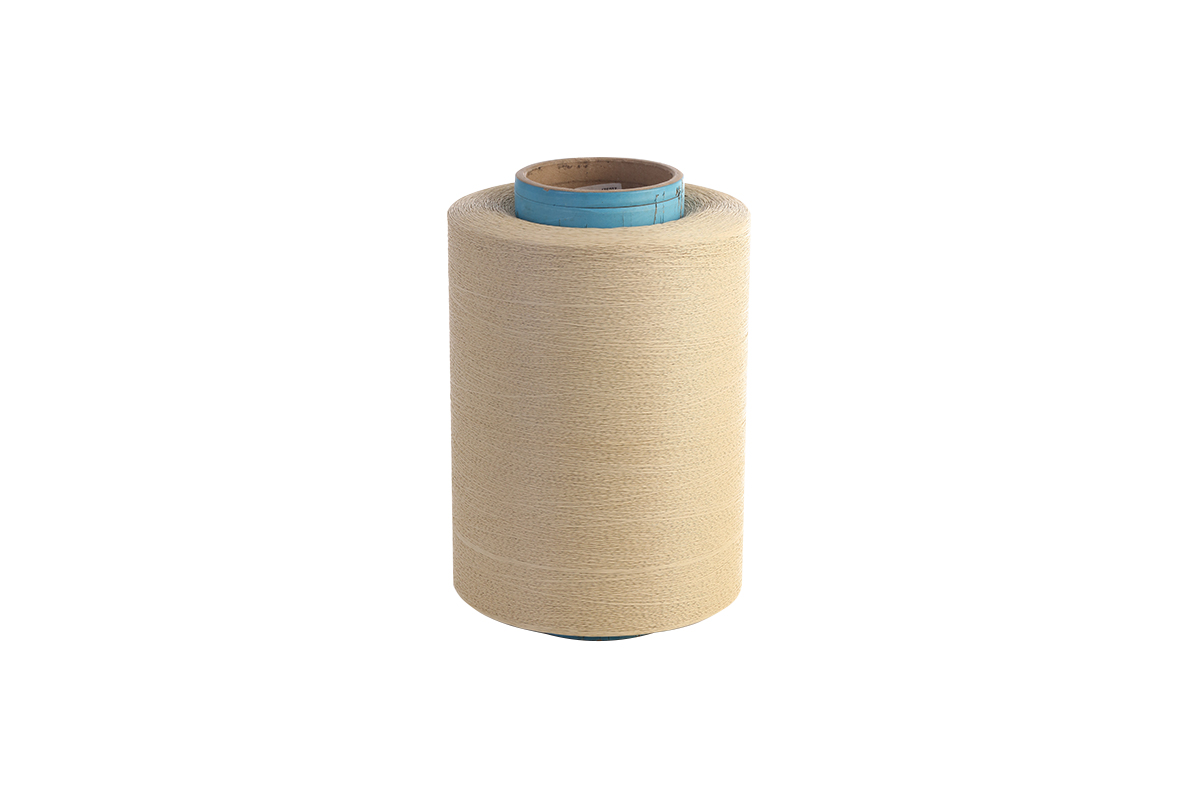
The yarn is extruded from vinyl resin with plasticizers and stabilizers. A vinyl woven mesh fabric factory weaves these yarns on industrial looms, then dips or coats the fabric in liquid PVC. The result is a waterproof, flexible grid that won't rot like cotton or rust like chain-link.
It breathes on purpose
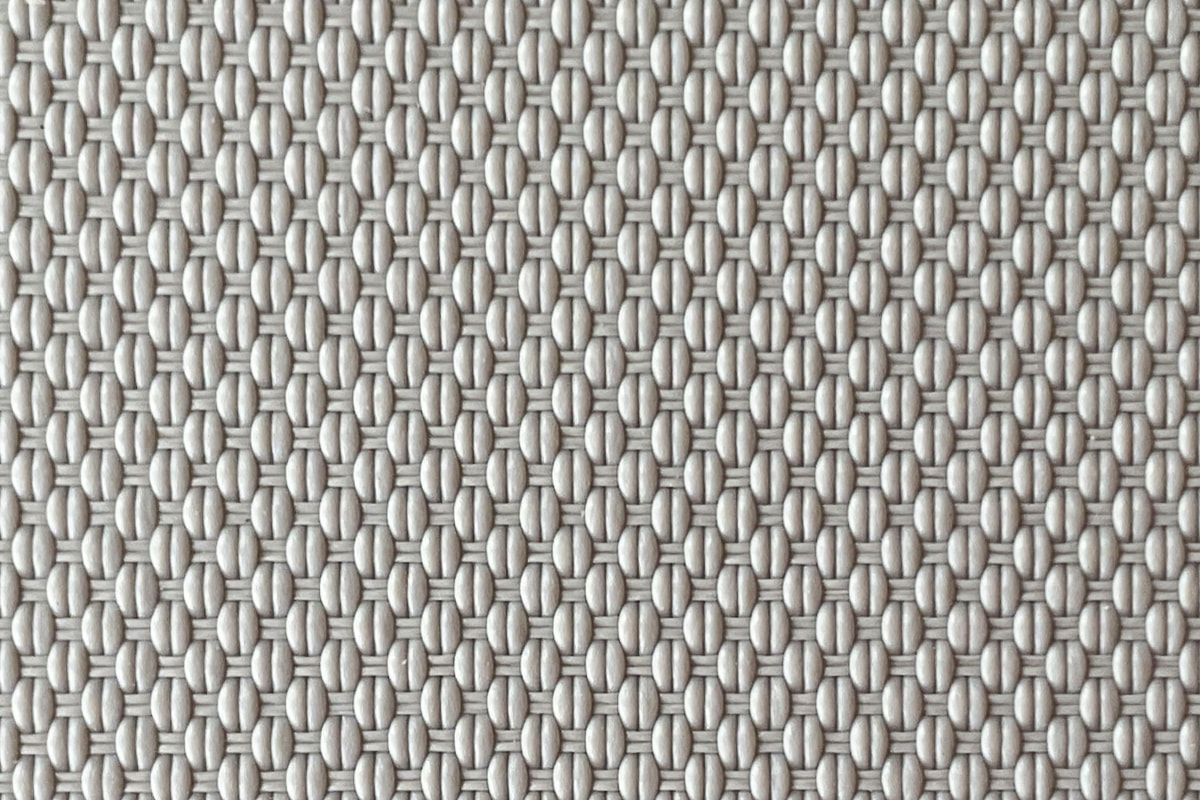
The open weave lets air and water pass through. That's by design—shade covers stay cooler, truck tarps reduce wind drag, and outdoor furniture dries fast after rain. A vinyl woven mesh fabric factory controls the open area (typically 40% to 60%) depending on the application.
Grades and Applications
Light-duty for furniture and cushions
Patio chairs and chaise lounges use finer yarns and looser weaves for comfort. A vinyl woven mesh fabric factory offers multiple colors and patterns that resist fading for 5+ years.
Heavy-duty for tarps and barriers
Thicker yarns, tighter weaves, higher tensile strength. Truck covers, scaffolding wraps, and debris nets need this grade. A vinyl woven mesh fabric factory adds reinforced edges and grommet-friendly weaving.
Architectural for facades and sunshades
Decorative weaves in custom colors for building exteriors and interior partitions. A vinyl woven mesh fabric factory supplies these with enhanced UV resistance and flame retardants.
How It's Made
Extruding the yarn
PVC resin, plasticizers, and pigments are melted and forced through tiny holes. A vinyl woven mesh fabric factory monitors yarn diameter closely—inconsistent yarn means weak spots in the weave.
Weaving the pattern
High-speed looms interlace warp and weft yarns. Plain weave for general use. Leno (twisted) weave for extra stability. A vinyl woven mesh fabric factory adjusts loom settings for each order.
Coating and curing
The woven fabric passes through a PVC bath or calendar rolls, then through an oven at 200°C to fuse the coating. A vinyl woven mesh fabric factory adds UV inhibitors and anti-fungus agents at this stage.
Why Choose Vinyl Over Alternatives
Canvas absorbs moisture, mildews, and rots within a couple of years outdoors. Polyester fades and frays. Metal rusts, scratches, and holds heat. Vinyl mesh does none of these. A vinyl woven mesh fabric factory produces fabric that sheds water, resists UV, and stays flexible in both heat and cold.
What to Look For
UV stabilization
Vinyl breaks down in sunlight without additives. A reliable vinyl woven mesh fabric factory uses UV absorbers and HALS stabilizers. Ask for accelerated weathering data—5 to 10 years outdoor life is the benchmark.
Coating adhesion
The coating must bond to the yarn permanently. A serious factory tests peel strength after heat cycling. Flaking or cracking means poor quality.
Tensile strength
The fabric must hold load without stretching. Check test data for both warp and weft directions. Weak fabric sags or tears under tension.
Flame retardancy
Public-use applications require NFPA 701 or CAL 117 compliance. A vinyl woven mesh fabric factory can add flame retardants during formulation—confirm certification.
Color consistency
Batches must match. Factories use spectrophotometers to keep color difference (Delta E) under 1.5—visually indistinguishable.
A vinyl woven mesh fabric factory makes material that survives what nature throws at it. The good ones control yarn quality, weave consistency, coating thickness, and UV protection. They test for strength, adhesion, and color stability. The result is fabric that lasts years—whether on a patio chair, a flatbed truck, or a building facade. Choose a manufacturer that builds for the long haul, not the quick sale.

 NO 1-7 Songxi Road, Chengguan, Tiantai City, Zhejiang, China. Post Code:317200
 +86-13958505030
