
 en
en Español
A solid tarp blocks sun. It also blocks air. The space underneath gets hot and stuffy. Sunscreen mesh fabric solves that. It is woven with small gaps. Sunlight comes through—but not all of it. Enough light to see. Enough shade to cool. Air passes through. The area underneath stays breezy. A sunscreen mesh fabric factory produces this material for pergolas, greenhouses, and parking shades. Here is what buyers should know.
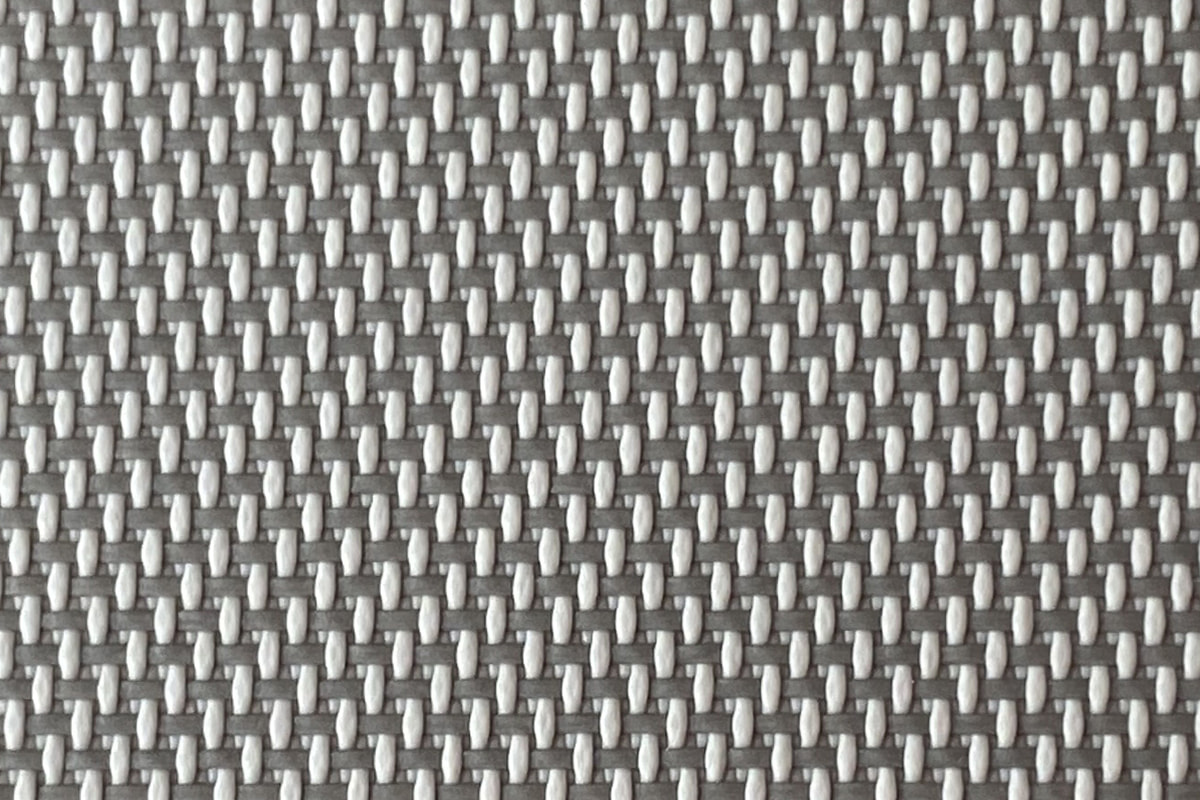
What Sunscreen Mesh Fabric Is
The fabric is woven with gaps that block UV but pass air
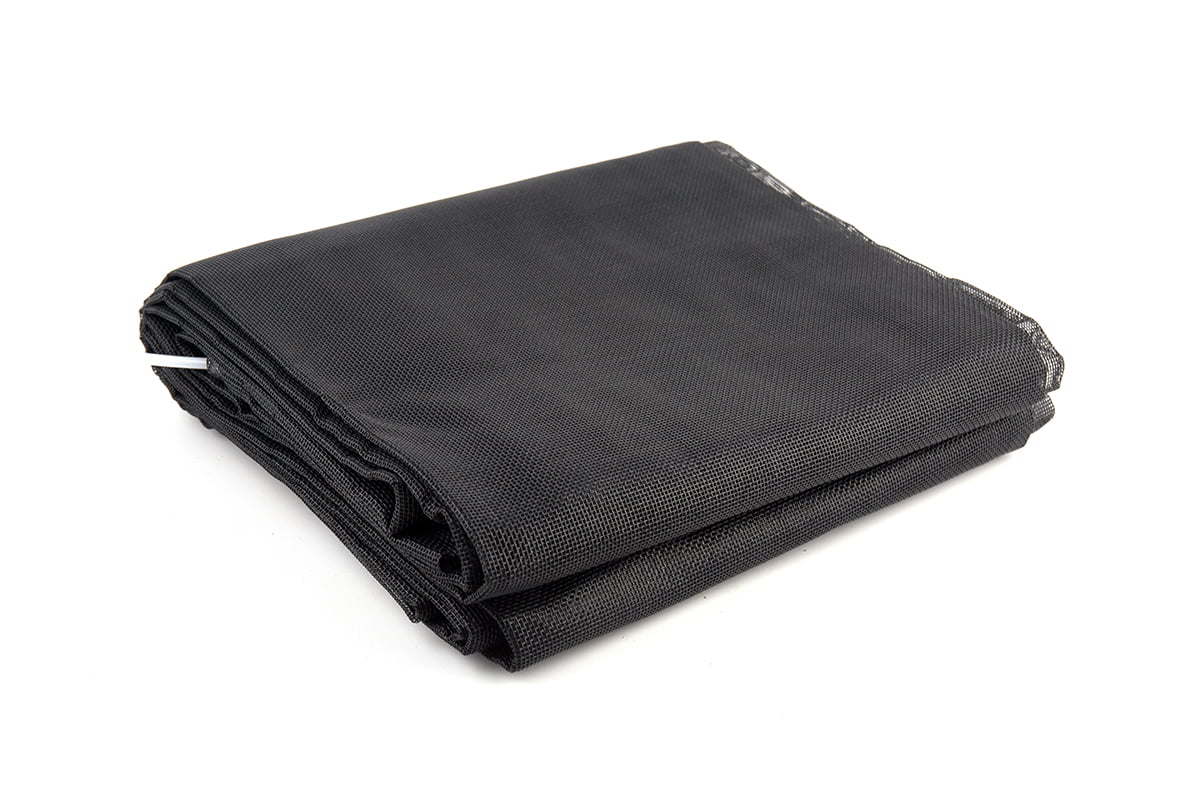
A sunscreen mesh fabric is like a screen door. Open weave. Threads run in two directions. Gaps between them. The gaps are small, measured in millimeters. The fabric blocks a percentage of sunlight. 70 percent. 80 percent. 90 percent. The rest passes through.
Air moves through the gaps. No hot air gets trapped underneath. No humidity builds up. The shaded area feels like real shade, not an oven.
The material is usually HDPE or polyester
High-density polyethylene (HDPE) is the many common material for sunscreen mesh fabric. HDPE does not absorb water. It does not rot. It resists UV. The color fades slowly. The fabric lasts for years outdoors.
Polyester is another option. Softer and more flexible. Polyester absorbs water. It can mildew if left wet. Treated polyester resists mildew. Untreated does not.
Here is how materials compare:
- HDPE — stiff, UV resistant, waterproof, long life
- Polyester — soft, flexible, can mildew, shorter life
- PVC-coated polyester — heavier, more durable, expensive
How Sunscreen Mesh Fabric Is Made
The yarn is extruded and woven
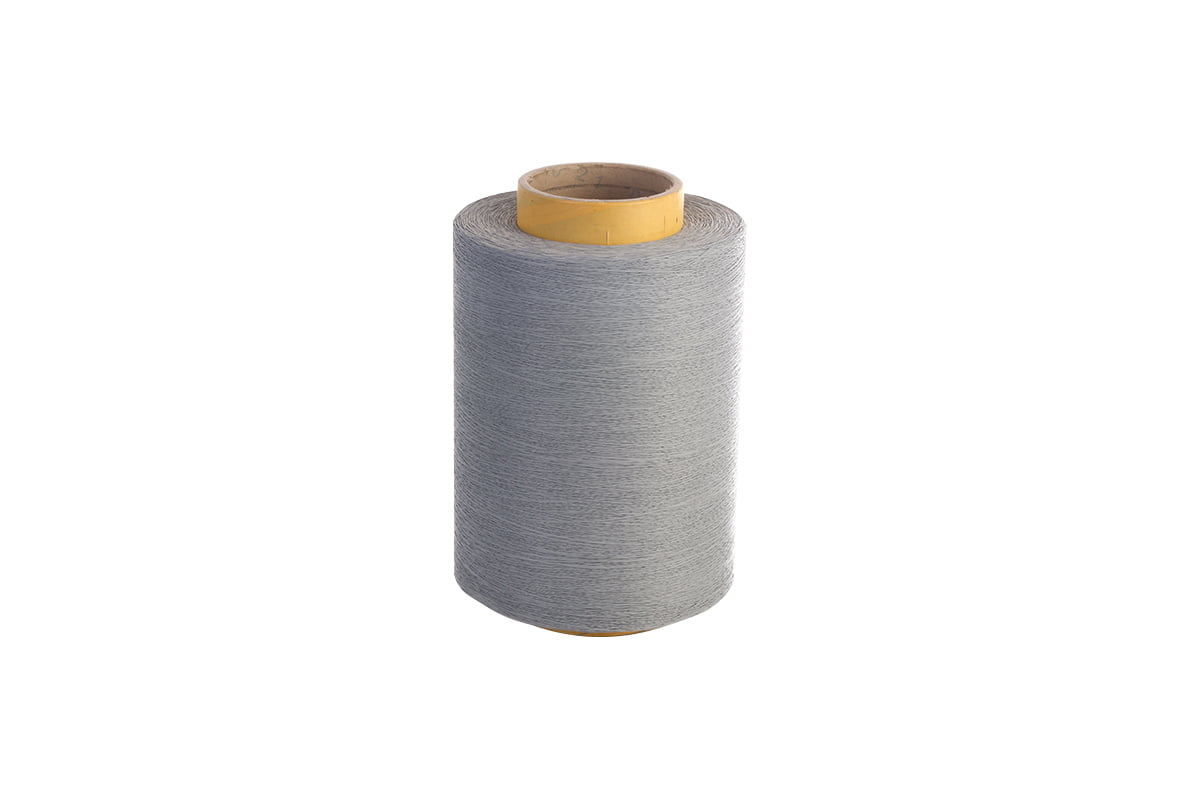
Plastic pellets are melted and extruded into yarn. The yarn is flat or round. Flat yarn creates a tighter fabric. Round yarn creates a softer feel. A sunscreen mesh fabric factory weaves the yarn into a continuous roll.
The weave pattern affects openness. A tighter weave blocks more sun. A looser weave lets more air through.
UV stabilizers are added to the resin
Sun destroys plastic. UV rays break down the material. The fabric becomes brittle. It cracks. A sunscreen mesh fabric factory adds UV stabilizers to the resin before extrusion. The stabilizer is in the yarn, not sprayed on.
The fabric is heat-set for dimensional stability
Heat-setting locks the weave in place. The fabric does not stretch or shrink. A sunscreen mesh fabric factory runs the fabric through a heated oven. The yarns set. The fabric stays flat.
Where Sunscreen Mesh Fabric Gets Used
Pergolas and patio covers
A solid roof makes a patio dark. A sunscreen mesh fabric stretched over a pergola keeps the light. Dappled light. Pleasant. The space is cooler than full sun. The breeze still blows through.
Greenhouses and shade houses
Plants need sun. Too much sun burns them. A sunscreen mesh fabric over a greenhouse reduces the light. The plants get what they need. Not more. The fabric also lowers the temperature inside.
Parking shades and carports
A car in the sun gets hot. The dashboard bakes. The steering wheel burns. A sunscreen mesh fabric shade keeps the car cool. The fabric does not trap heat.
Here is where sunscreen mesh fabric is used:
- Pergolas and patios — comfortable outdoor spaces
- Greenhouses — plant protection
- Parking structures — car shade
- Outdoor event tents — light and airflow
- Playgrounds — sun protection for children
What to Look for in Sunscreen Mesh Fabric
Openness percentage determines shade level
Openness is the percentage of open space in the fabric. A fabric with 30 percent openness blocks 70 percent of sunlight. 10 percent openness blocks 90 percent.
Here is what openness does:
- 5-10% openness — heavy shade, good for cars and desert sun
- 15-20% openness — medium shade, good for patios and pergolas
- 25-30% openness — light shade, good for plants and greenhouses
- 35-40% openness — very light shade, mostly for privacy screens
UV block rating matters
The fabric blocks UV, not just visible light. A sunscreen mesh fabric should have a UV block rating. 90 percent or higher. Some fabrics block 95 or 98 percent. The fabric keeps UV off skin and furniture.
Reinforced edges for tensioning
A panel gets stretched over a frame. The edges need reinforcement. A hem with a rope inside takes the tension. The fabric does not tear.
Common Problems with Sunscreen Mesh Fabric
The fabric stretches and sags
Cheap HDPE has low tensile strength. A panel stretches over time. It sags. Water pools on top. The fabric tears.
The color fades quickly
Cheap dyes wash out in the sun. A sunscreen mesh fabric that starts dark gray turns light gray in one season. The UV protection degrades with the color.
The fabric tears at the grommets
No rope in the hem. The tension pulls on the grommet. The grommet tears through the fabric. The panel rips.
The seam splits along the center
Some panels are sewn from two narrower pieces. The center seam is stitched. Stitching weakens the fabric. The seam splits. The panel comes apart. One-piece panels are stronger.
A sunscreen mesh fabric factory produces material that turns hot, sunny spaces into cool, shaded ones. The right fabric has the correct openness for your application. 90 percent UV block small. HDPE for long life. Polyester for softness. Reinforced edges. Rope in the hem. One-piece panels when possible. A good fabric lasts for years. The shade is comfortable. The space is usable. A cheap fabric fades, sags, and tears. You buy another one. You spend more over time. Spend once. Get the good fabric. Your patio, greenhouse, or car will thank you.

 NO 1-7 Songxi Road, Chengguan, Tiantai City, Zhejiang, China. Post Code:317200
 +86-13958505030
